
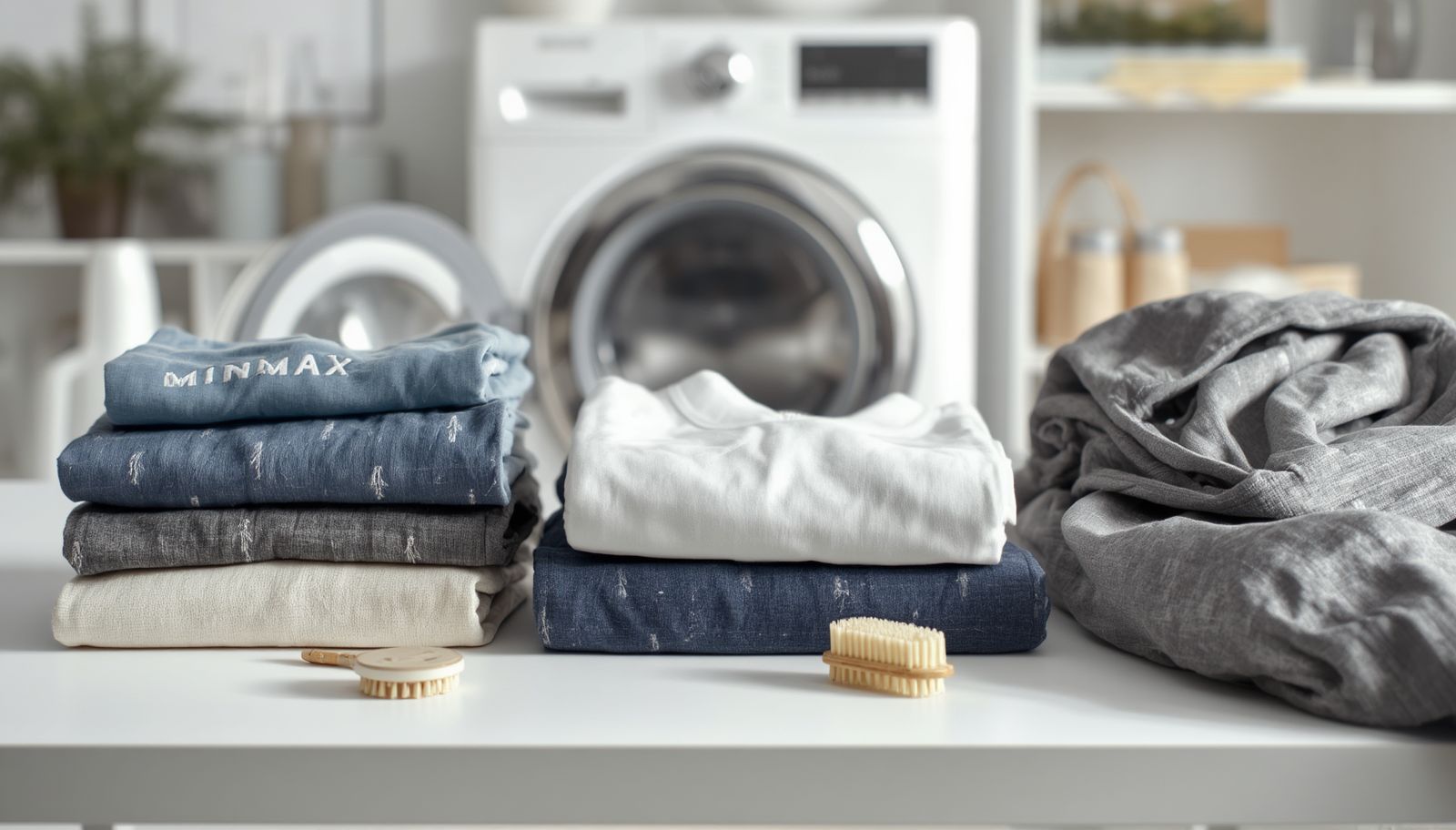
To wash and care for custom garments, turn them inside out, use cold water, choose a gentle cycle, avoid bleach, skip high heat, and air-dry when possible. Printed and embroidered clothing lasts longer when you wash it gently, treat stains early, and follow the care label before using dryers, irons, or harsh detergents.
Your Custom Clothing Should Look Good After More Than One Wash
You finally ordered custom shirts for your team, business, school event, family reunion, or company giveaway. The colors look sharp. The logo is clean. The embroidery feels premium. Then comes the first laundry day, and the big question hits:
How do you wash custom-printed and embroidered clothing without ruining it?
It is a fair question. Anyone who has pulled a favorite hoodie out of the dryer and noticed cracking print, shrinking fabric, or fuzzy embroidery knows the pain. Custom garments are not always cheap, either. Whether you bought a dozen branded polos for a small business in Texas, spirit wear for a school in Ohio, or embroidered jackets for a crew in Ontario, the goal is the same: keep them looking fresh for as long as possible.
This care guide from Minmax Textile explains how to wash and care for custom garments properly. You will learn how to protect screen prints, embroidery, DTG prints, DTF transfers, vinyl designs, patches, and branded workwear with simple laundry habits that actually work.
What Does “Custom Garment Care” Mean?
Custom garment care involves washing, drying, storing, and handling decorated clothing in ways that protect both the fabric and the decoration.
A regular blank T-shirt only has fabric to worry about. A custom garment has more going on. It may include:
- Screen printing
- Direct-to-garment printing
- Direct-to-film transfers
- Heat transfer vinyl
- Embroidery
- Woven patches
- Printed labels
- Appliqué or specialty decoration
Each method reacts differently to water, heat, friction, detergent, and repeated washing. That is why custom-printed and embroidered clothing needs a little extra attention.
The good news is that you do not need fancy products. Most of the time, better results come from basic habits: wash cold, turn inside out, avoid harsh chemicals, and do not dry-clean the garment.
Quick Answer: How to Wash & Care for Custom Garments
Use this simple routine for most custom-printed and embroidered clothing:
- Read the care label first.
- Turn the garment inside out.
- Wash with similar colors.
- Use cold water.
- Choose a gentle or normal cycle.
- Use mild detergent.
- Avoid bleach and strong stain chemicals.
- Remove from the washer quickly.
- Air-dry when possible.
- If using a dryer, choose low heat.
- Never iron directly over printed artwork.
- Store folded or hung in a cool, dry place.
This method works well for most custom T-shirts, hoodies, polos, jackets, uniforms, sweatshirts, and promotional apparel.
Why Custom-Printed and Embroidered Clothing Needs Special Care
Custom clothing goes through more than normal retail apparel. A shirt might be cut, sewn, dyed, printed, cured, embroidered, packed, shipped, worn, washed, and worn again.
That is a lot of stress on one garment.
The decoration is usually the most sensitive part. Heat can weaken adhesives. Harsh detergents can fade colors. Heavy washer agitation can rub printed surfaces. A hot dryer can make prints crack sooner. Embroidery can snag if it is washed with zippers, Velcro, or rough fabrics.
Think of a custom hoodie like a wrapped pickup truck. The truck is strong, but the wrap needs the right care. Same idea here. The fabric may be sturdy, but the logo, thread, or print deserves protection.
Printed vs. Embroidered Clothing: What Is the Difference in Care?
Printed clothing and embroidered clothing can both last a long time, but they fail in different ways when washed poorly.
Printed Clothing
Printed garments include screen-printed shirts, DTG prints, DTF transfers, sublimation prints, and heat-transfer vinyl.
Common problems include:
- Cracking
- Peeling
- Fading
- Color bleeding
- Stiff print feel
- Print sticking after high heat
- Glossy marks from direct ironing
Printed areas do best with cold water, low friction, and low heat.
Embroidered Clothing
Embroidered garments use thread stitched into the fabric. This is common on polos, hats, jackets, work shirts, aprons, and uniforms.
Common problems include:
- Loose threads
- Snags
- Puckering around the logo
- Faded thread
- Distorted stitching
- Rough backing irritation
Embroidery does best with gentle washing, protection from sharp items, and careful drying.
Step-by-Step: How to Wash Custom Garments the Right Way
Step 1: Check the Care Label
Always start with the care label. It tells you the safest methods for washing, drying, and ironing the base garment.
In the United States, garment manufacturers and importers are expected to provide regular care instructions for many textile-wearing apparel items. So, when a care label says “machine wash cold” or “tumble dry low,” take it seriously.
If the care label and the decoration care advice seem different, follow the gentler option.
For example, if the hoodie label allows warm water but the printed logo care card says cold wash only, choose cold water.
Step 2: Turn the Garment Inside Out
This is one of the easiest ways to protect custom apparel.
Turning clothing inside out helps reduce rubbing between the decoration and other garments. It also protects the visible surface from the friction of the washer.
This matters for:
- Screen-printed shirts
- Graphic hoodies
- DTF printed workwear
- Vinyl team jerseys
- Embroidered polos
- Branded fleece jackets
A simple habit like this can make a noticeable difference over months of washing.
Step 3: Sort by Color and Fabric Type
Do not toss everything into one giant load.
Sort custom garments by:
- Light colors
- Dark colors
- Bright colors
- Heavy fabrics
- Delicate fabrics
- Lint-producing items
- Items with zippers or Velcro
A black embroidered polo washed with a fluffy white towel may come out covered in lint. A printed tee washed with jeans and zippered jackets may get more surface wear.
For best results, wash custom apparel with similar items.
Step 4: Use Cold Water
Cold water is usually the safest choice for custom garments.
It helps protect:
- Print color
- Fabric shape
- Thread brightness
- Adhesive layers
- Garment fit
Cold washing also saves energy because heating water accounts for a large share of a washer’sthe washer’s energy use. For everyday custom apparel, cold water is enough when paired with good detergent and proper stain treatment.
Use warm water only when the care label allows it and the garment is heavily soiled. Avoid hot water unless the care label clearly says it is safe.
Step 5: Choose a Mild Detergent
A mild liquid detergent is best for most custom-printed and embroidered clothing.
Avoid using too much detergent. More soap does not mean cleaner clothes. In fact, excess detergent can leave residue on fabric and decoration. That residue may make garments feel stiff or attract odors.
A good rule:
- Use less detergent for small loads.
- Use the recommended amount for full loads.
- Use high-efficiency detergent in HE machines.
- Avoid heavy fragrance if the garment is worn close to the skin.
For uniforms, team apparel, or staff shirts that are worn often, consistent, gentle washing is better than occasional, aggressive washing.
Step 6: Avoid Bleach
Bleach is risky for custom garments.
It can damage:
- Printed logos
- Embroidery thread
- Fabric dye
- Stretch fibers
- Transfer adhesives
- Specialty finishes
Even color-safe bleach should be used carefully. If a garment is stained, treat the stain directly instead of soaking the entire shirt in harsh chemicals.
For white custom shirts, use oxygen-based stain products only if the care label allows them. Test first on a hidden area.
Step 7: Use a Gentle or Normal Cycle
For everyday custom clothing, a gentle cycle is ideal. A normal cycle is usually fine for durable cotton tees, sweatshirts, or workwear, but avoid heavy-duty cycles unless the garment is truly dirty and built for it.
The more aggressive the cycle, the more friction the garment receives.
Use gentle cycles for:
- Embroidered polos
- Lightweight tees
- Performance shirts
- Printed hoodies
- Decorated youth apparel
- Stretch fabrics
- Premium branded clothing
For thick workwear, choose the lowest effective cycle that still cleans the garment.
Step 8: Remove Garments Quickly
Do not leave custom clothing sitting wet in the washer for hours.
Moisture can cause:
- Musty odors
- Wrinkles
- Dye transfer
- Thread distortion
- Print sticking
- Mildew in extreme cases
Remove garments soon after the wash ends. Shake them gently, reshape them by hand, and prepare them for drying.
How to Dry Custom Printed and Embroidered Clothing
Drying is where many custom garments get damaged.
High heat is one of the biggest enemies of printed clothing. It can shrink fabric, weaken transfers, and speed up cracking. Embroidery handles heat better than many prints, but the base garment may still shrink or wrinkle.
Best Option: Air-Dry
Air-drying is the safest method for most custom garments.
Lay the item flat on a clean towel or hang it on a drying rack. Keep it away from direct sunlight if the print or fabric color is bright. Sunlight can fade color over time.
Air-drying is especially good for:
- Screen-printed shirts
- DTG printed shirts
- DTF transfers
- Vinyl designs
- Embroidered polos
- Custom hoodies
- Performance apparel
If You Use a Dryer, Use Low Heat
Sometimes air-drying is not practical. If you are washing staff uniforms for a restaurant, shirts for an event, or sports apparel for a busy family, the dryer may be part of real life.
That is okay. Just use low heat.
Follow these dryer tips:
- Turn garments inside out.
- Use low heat or tumble dry low.
- Remove while slightly damp.
- Do not over-dry.
- Avoid dryer sheets on performance apparel.
- Do not dry with rough towels or heavy jeans.
High heat may save a few minutes, but it can shorten the garment’s lifespan.
Can You Iron Custom-Printed or Embroidered Clothing?
Yes, but be careful.
Ironing Printed Clothing
Never place a hot iron directly on printed artwork.
Direct heat can melt, scorch, flatten, or distort the design. This is especially risky with heat transfer vinyl, DTF prints, and certain screen prints.
Use this method instead:
- Turn the garment inside out.
- Use low heat.
- Place a thin cotton cloth between the iron and the garment.
- Avoid steam unless the care label allows it.
- Do not press hard on the design.
Ironing Embroidered Clothing
Embroidery can usually handle careful ironing, but you should still protect it.
Turn the garment inside out and place a towel under the embroidered area. This helps preserve the raised stitching. Use low to medium heat based on the fabric type.
Do not flatten the logo with heavy pressure. Good embroidery has texture, and you want to keep it that way.
Care Guide by Decoration Type
| Custom Garment Type | Best Wash Method | Best Dry Method | Avoid |
|---|---|---|---|
| Screen-printed shirts | Inside out, cold wash, mild detergent | Air-dry or low heat | Bleach, hot dryer, direct ironing |
| DTG printed shirts | Cold wash, gentle cycle | Air-dry preferred | Harsh detergent, high heat |
| DTF transfer garments | Inside out, cold wash | Low heat or hang dry | Fabric softener, direct heat |
| Heat transfer vinyl | Cold wash, gentle cycle | Air-dry best | Hot dryers, ironing the vinyl |
| Embroidered polos | Cold wash, gentle cycle | Hang dry or low heat | Velcro, snags, and bleach |
| Custom hoodies | Inside out, cold wash | Air-dry or low heat | Over-drying, hot water |
| Performance apparel | Cold wash, mild detergent | Air-dry | Fabric softener, high heat |
| Work uniforms | Cold or warm if the label allows | Low heat | Harsh chemicals, unless approved |
How Often Should You Wash Custom Garments?
Wash custom garments when they are dirty, sweaty, stained, or odorous. Avoid washing after every short wear unless needed.
For example:
- A custom event T-shirt worn for two hours may not need a full wash right away.
- A restaurant uniform shirt should be washed after each shift.
- A branded hoodie worn over another shirt may last several wears.
- A gym or team shirt should be washed after sweaty use.
- Embroidered office polos can often be washed after one or two wears, depending on use.
Overwashing can age clothing faster. Underwashing can set stains and odors. The sweet spot is practical care.
How to Treat Stains on Custom-Printed Clothing
The best stain treatment is fast and gentle.
Do this:
- Blot the stain. Do not scrub hard.
- Use cold water for most stains.
- Apply mild detergent directly to the stain.
- Let it sit for 5 to 10 minutes.
- Wash inside out.
- Check before drying.
Never put a stained custom garment in the dryer until the stain is gone. Dryer heat can set the stain permanently.
For oily stains, use only a small amount of dish soap on the stained area. Keep it away from printed artwork when possible.
For embroidered garments, avoid rubbing across the stitches. Blot around the embroidery and rinse gently.
Common Mistakes That Ruin Custom Clothing
Avoid these if you want your garments to last:
- Washing in hot water
- Using too much detergent
- Using bleach
- Drying on high heat
- Ironing directly over prints
- Washing with zippers or Velcro
- Leaving wet clothes in the washer
- Scrubbing printed areas
- Overloading the machine
- Ignoring the care label
- Dry cleaning garments is not approved for it
- Using fabric softener on performance shirts
Most damage happens slowly. One hot, dry cycle may not destroy a shirt, but repeated high heat can cause the print to crack or the fabric to shrink.
Local Buyer Insights: USA, UK, Canada, France, and Germany
Custom garment care is mostly the same across countries, but local habits can change how people wash and wear apparel.
United States
In the USA, custom apparel is common for schools, sports teams, churches, construction crews, restaurants, fitness studios, corporate events, and family reunions.
A landscaping company in Florida may need durable embroidered polos that handle sweat and frequent washing. A school in Michigan may need printed hoodies that survive cold-weather layering and weekly laundry. A restaurant in California may need branded tees that hold up after repeated washing.
For most U.S. buyers, the best routine is simple: cold wash, inside out, mild detergent, and low heat.
United Kingdom
UK buyers often deal with damp weather and indoor drying. If you air-dry embroidered polos or printed hoodies indoors, give them enough space. Crowded drying racks can slow drying and create musty smells.
Use a ventilated area when possible.
Canada
In Canada, layered winter clothing is common. Custom fleece, hoodies, jackets, and team gear may be washed less often than T-shirts, but they still need gentle care.
Avoid high dryer heat on hoodies and fleece. It can shrink the garment and roughen the surface.
France
French buyers often value garment quality and presentation. For branded apparel, shape matters. Hang or lay flat to dry when you want polos, tees, and embroidered shirts to keep a clean look.
Avoid overloading the washer, as it can cause deep wrinkles.
Germany
German buyers often look for durability and clear product information. If you are ordering custom workwear or branded uniforms, ask for care instructions before placing a bulk order.
This is especially useful for embroidered jackets, high-visibility workwear, and performance fabrics.
Buying Custom Garments? Ask These Care Questions First
Before you place a bulk order, ask your supplier these questions:
- What decoration method is being used?
- Can the garment be machine-washed?
- Should it be washed cold or warm?
- Is tumble drying safe?
- Can it be ironed?
- Is the design safe for workwear laundering?
- Will the print crack if dried on high heat?
- Is the embroidery backing comfortable after washing?
- Are care cards included with the order?
- Is the garment tested for repeated washing?
A good custom apparel supplier should be able to explain how to care for the finished product, not just sell it.
At Minmax Textile, the goal is to help buyers choose custom garments that look professional and remain practical after real-world use.
Custom Workwear Care Tips
Workwear often gets dirtier than regular clothing. Think construction shirts, cleaning uniforms, warehouse apparel, mechanic shirts, restaurant uniforms, and landscaping polos.
Use these tips:
- Pre-treat stains before washing.
- Wash heavily soiled garments separately.
- Avoid bleach unless approved.
- Use warm water only if the care label allows it.
- Do not overload the machine.
- Air-dry decorated items when possible.
- Replace garments when stains or wear affect brand image.
For customer-facing staff, appearance matters. A faded logo or cracked print can make a business look less polished. Proper washing helps protect your brand image.
Custom Team Apparel Care Tips
Team shirts, jerseys, and hoodies take a beating. They get sweaty, tossed into gym bags, washed late at night, and dried fast before the next game.
For sports and school apparel:
- Wash soon after sweaty use.
- Turn jerseys inside out.
- Avoid fabric softener on performance fabrics.
- Hang dry when possible.
- Keep Velcro gear away from embroidery.
- Do not iron numbers, names, or vinyl graphics.
- Wash bright colors separately at first.
Parents in the USA know the routine. A kid comes home from practice, the shirt is muddy, and the next game is tomorrow. Even then, skip the high heat when you can. Low heat protects the design better.
Storage Tips for Custom-Printed and Embroidered Clothing
Good care does not stop after laundry.
Store custom garments properly to avoid wrinkles, fading, and damage.
Best practices:
- Fold printed T-shirts with the design facing inward.
- Hang embroidered polos on shaped hangers.
- Store in a dry place.
- Keep away from direct sunlight.
- Do not stack heavy items on raised embroidery.
- Avoid plastic bags for long-term storage.
- Make sure garments are fully dry before storing.
For seasonal uniforms or event shirts, wash and dry them fully before packing them away.
Best Practices Checklist
Use this checklist every laundry day:
- Read the label.
- Turn custom clothing inside out.
- Wash with similar colors.
- Use cold water.
- Choose a mild detergent.
- Avoid bleach.
- Use a gentle cycle for delicate items.
- Do not overload the washer.
- Remove quickly after washing.
- Air-dry when possible.
- Use low heat if machine drying.
- Never iron directly on prints.
- Store only when fully dry.
FAQ: How to Wash & Care for Custom Garments
1. Can I wash custom-printed shirts in the washing machine?
Yes. Most custom-printed shirts can be machine-washed. Turn them inside out, use cold water, mild detergent, and a gentle or normal cycle. Avoid bleach and high dryer heat.
2. Should embroidered clothing be washed inside out?
Yes. Washing embroidered clothing inside out helps protect the thread from friction, snags, and abrasion. It is especially helpful for polos, jackets, uniforms, and work shirts.
3. Can I put custom-printed clothing in the dryer?
Yes, but low heat is best. Air-drying is safer for printed garments. High dryer heat can shrink fabric and may cause prints or transfers to crack, peel, or age faster.
4. How do I stop screen-printed shirts from cracking?
Wash screen-printed shirts inside out in cold water; avoid harsh detergents, skip bleach, and dry on low heat or air-dry. Never iron directly over the printed design.
5. Is fabric softener safe for custom garments?
Use caution. Fabric softener can leave residue on prints and reduce performance features in athletic fabrics. For custom sportswear or moisture-wicking apparel, it is better to skip it.
Conclusion: Better Care Means Longer-Lasting Custom Apparel
Custom printed and embroidered clothing is more than fabric. It represents a team, a business, a school, an event, a brand, or a memory. That makes proper care worth the effort.
The best way to wash and care for custom garments is simple: follow the label, wash cold, turn inside out, use mild detergent, avoid bleach, and keep high heat away from prints and stitching.
Whether you are caring for one custom hoodie or hundreds of branded uniforms, these habits help protect color, fit, print quality, and embroidery detail.
For buyers who want custom apparel that looks professional and lasts through real-life wear, Minmax Textile offers guidance from product selection to garment care. Choose the right decoration method, follow the right care routine, and your custom garments will keep working for your brand long after the first wear.


