
Choose Your Products
Showing 1–12 of 15 results
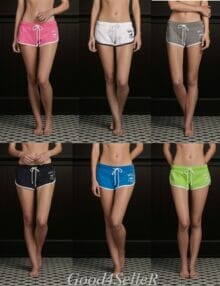
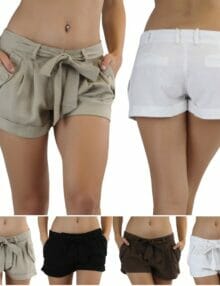
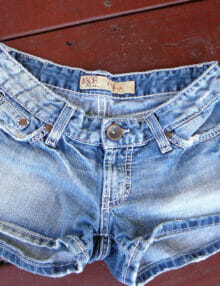
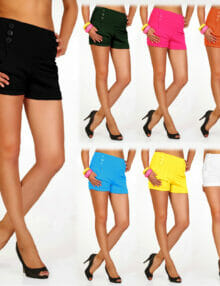
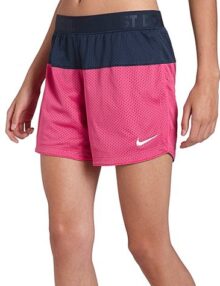
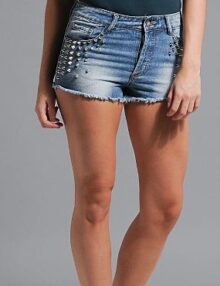
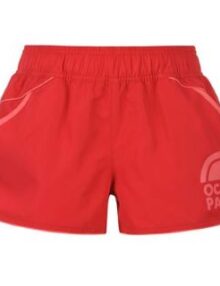
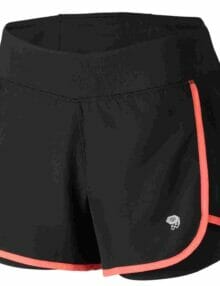
Shorts Pants
Custom Women’s Shorts Manufacturer
MinMax Textile provides B2B custom and private-label women’s apparel manufacturing from Dhaka, Bangladesh. This category presents women’s shorts references for fashion brands, boutiques, wholesalers, distributors, and other businesses planning bulk apparel orders. Buyers can use the visible products as starting points or submit their own design, tech pack, measurements, and commercial requirements for review.
Request a women’s shorts quotation: Send your design or reference, fabric requirements, size range, colorways, branding details, packaging needs, estimated quantity, destination country, and target delivery date through the MinMax Textile contact page.
Women’s Shorts Manufacturing for B2B Buyers
Women’s shorts can serve casualwear, fashion, lounge, promotional, resort, and selected performance-oriented collections. The right manufacturing specification depends on the intended use, target customer, selling season, required fit, fabric behavior, branding, and price position.
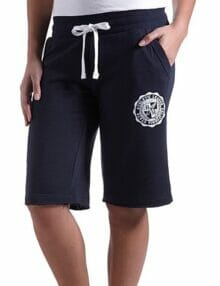
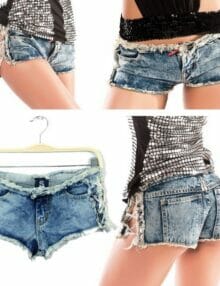
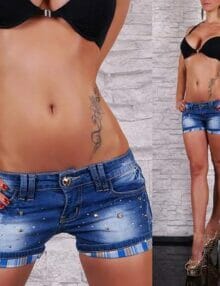
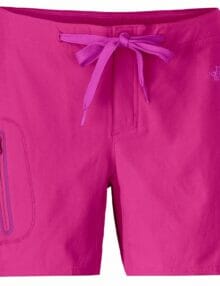
The visible product grid includes knit, denim, party, and swim-inspired references. Treat each listing as a design reference rather than a fixed retail item. A manufacturing inquiryinquiry should clearly define the finished product so the team can review its construction and commercial feasibility.
Businesses sourcing a wider women’s collection can also review the Women’s Apparel category and learn more about MinMax Textile through the About page and Company Profile.
Define the Intended Product Before Requesting a Quote
A clear product brief reduces misunderstandings during development. Start by explaining where the shorts will sit within your range.
For example, casual knit shorts may require a soft hand feel, an elasticated waistband, and practical pockets. A structured fashion design may need a shaped waistband, zip or button closure, lining, belt loops, and precise pressing. Denim shorts introduce additional decisions involving wash appearance, hardware, pocket construction, hem treatment, and shrinkage allowance.
Your brief should define:
- Intended market and end use
- Knit, woven, denim, or another required construction
- Desired silhouette and fit
- Rise and inseam measurements
- Leg opening and hem shape
- Waistband and closure
- Pocket type and placement
- Required lining
- Size range and grading
- Colourways
- Branding and packaging
Key Women’s Shorts Specifications
| Specification Area | Buyer Decision | Typical Use or Consideration | Effect on Finished Product |
|---|---|---|---|
| Fabric structure | Knit, woven, denim, or another specified structure | Casual, lounge, structured, or fashion use | Influences stretch, drape, shape retention, sewing method, and fit |
| Stretch requirement | No stretch, mechanical stretch, or specified stretch and recovery | Close-fitting or movement-focused designs | Affects comfort, pattern measurements, recovery, and size consistency |
| Silhouette | Fitted, straight, relaxed, wide-leg, or another defined shape | Target customer and collection direction | Controls ease, leg shape, movement, and overall appearance |
| Rise | Low, mid, high, or measurement-based rise | Brand fit standard and styling objective | Changes waistband position, body proportion, and pattern shape |
| Length | Specific inseam and outseam measurements | Short, mid-length, or longer shorts | Affects coverage, balance, fabric use, and market positioning |
| Waistband | Elasticated, shaped, drawcord, ribbed, or constructed waistband | Lounge, casual, active, or tailored styles | Influences fit security, comfort, construction time, and trim needs |
| Closure | Pull-on, zip, button, hook-and-bar, or another specified method | Casual or structured garments | Affects appearance, dressing ease, hardware, and production complexity |
| Pockets | No pockets, side seam, slash, patch, welt, back, or zip pockets | Functional and styling requirements | Changes pattern pieces, reinforcement, bulk, appearance, and cost |
| Lining | Unlined, partially lined, or fully lined | Lightweight, sheer, structured, or fashion fabrics | Influences opacity, comfort, drape, labour, and material use |
| Branding | Main label, care label, size label, print, embroidery, or trim | Private-label retail presentation | Affects artwork preparation, placement, minimums, and production planning |
| Size range | Defined sizes with measurements and grade rules | Target market and fit strategy | Controls pattern grading, approval needs, and size consistency |
| Packaging | Fold method, individual packing, labels, inserts, and carton instructions | Wholesale, retail, or distribution requirements | Affects presentation, carton use, handling, and logistics planning |
The buyer should state required outcomes rather than relying only on words such as “comfortable,” “standard,” or “regular.” Measurements, reference garments, construction sketches, and approved tolerances provide clearer direction.
Fabric and Construction Considerations
The selected fabric must suit the intended silhouette and use. A relaxed knit style and a fitted woven design cannot use the same pattern assumptions. Stretch, recovery, weight, drape, opacity, shrinkage, surface finish, and care requirements may all influence product development.
For elasticated styles, specify waistband depth, elastic width, relaxed waist measurement, stretched measurement, drawcord requirements, and whether the elastic should be enclosed or exposed. For structured styles, define the waistband shape, closure, fly construction, belt loops, and internal finishing.
Pocket details also require precision. State the pocket type, opening length, placement, depth, lining material, reinforcement, and any zip or hardware requirement. Pocket dimensions should be practical for the garment size and intended use.
Fit, Rise, Length, and Size Grading
Fit approval should cover more than the waist measurement. Include hip, rise, thigh, inseam, outseam, leg opening, and waistband measurements in the specification.
The rise determines where the waistband sits on the body. The inseam and outseam establish the garment’s length, while the thigh and leg-opening measurements control ease and silhouette. Changes to any of these measurements can affect movement, appearance, and grading across the size range.
Provide a complete measurement chart when possible. State the base size, grade rules, measurement tolerances, and any market-specific fit requirements. A reference sample can help communicate the intended fit, but the final specification should document all required changes.
Private-Label and Branding Requirements
Buyers planning a private-label range should identify every brand element before pricing and development discussions. These may include:
- Main brand label
- Size and care labels
- Country-of-origin labeling requirements
- Hangtags or barcode labels
- Printed or embroidered artwork
- Branded drawcords, buttons, rivets, or other trims
- Packaging artwork
- Folding and presentation instructions
Available methods, placements, material choices, quantities, and approval requirements should be confirmed for the exact product. Supply usable artwork files and clearly mark branding positions on the tech pack or reference image.
Product Development and Sampling
A complete tech pack normally gives the clearest starting point. It should include technical drawings, measurements, construction notes, fabric requirements, trims, artwork, colors, labels, packaging, and revision information.
When a full tech pack is unavailable, send a physical reference, clear photographs, sketches, or an existing garment with a written list of required changes. MinMax Textile can then review the information and confirm what additional details are necessary before development proceeds.
Sampling stages, sample charges, revision limits, approval procedures, and timing should be agreed before work begins. Do not assume that one sample will resolve every fit, fabric, trim, and decoration decision.
Quality Considerations for Women’s Shorts
Quality requirements should reflect the construction and intended market. Buyers may need to discuss:
- Measurement consistency
- Waistband recovery and attachment
- Seam strength
- Stitch appearance
- Pocket placement and reinforcement
- Closure and hardware function
- Fabric shrinkage
- Colour consistency
- Artwork placement
- Label accuracy
- Hem alignment
- Packing and carton instructions
Testing and inspection requirements vary by product, destination, buyer policy, and applicable regulations. Include any required test method, inspection level, documentation, or restricted-substance requirement in the inquiry so the manufacturer can assess it before providing a quotation.
What Determines MOQ, Price, and Timing?
MOQ, price, sampling time, and production scheduling depend on the approved product specification. Important factors include fabric availability, construction complexity, color count, size range, custom dyeing, washing, artwork, trims, labels, packaging, testing, quantity, and the current production schedule.
A simple pull-on knit design and a structured denim style with hardware, washing, and detailed pockets will not have the same development or production requirements.
Request an exact quotation instead of relying on general figures. Include the quantity required for each style and color rather than providing only a total collection quantity.
Planning an International B2B Order
International buyers should identify the destination country, requested delivery date, packaging format, carton requirements, labeling needs, documentation requirements, freight preference, and any proposed Incoterm during commercial discussions.
The importer should also verify destination-specific duties, customs procedures, product labeling, testing, and compliance obligations. Do not assume that manufacturing, freight, customs clearance, duty payment, and final delivery are included under one term.
Allow time for specification review, material sourcing, sample development, approval, production, inspection, packing, and transportation when setting a target launch date.
What to Include in Your Quote Request
Send the following information to help the team review your project:
- Product design, technical drawing, tech pack, or reference sample
- Intended use and target customer
- Preferred fabric or required fabric properties
- Fit and silhouette
- Rise, inseam, outseam, and leg opening
- Waistband and closure construction
- Pocket requirements
- Size range and measurement chart
- Colourways and colour references
- Branding and decoration artwork
- Labels, trims, and hangtags
- Packaging and carton requirements
- Quantity for each style and color
- Destination country
- Target delivery date
- Testing or documentation requirements
Frequently Asked Questions
Can MinMax Textile manufacture custom women’s shorts for clothing brands?
MinMax Textile presents women’s shorts within its B2B women’s apparel range and accepts inquiries based on buyer designs and order requirements. Send your proposed style, technical information, quantity, and destination for feasibility review. The team should confirm the applicable materials, development process, commercial terms, and production requirements before you treat the project as accepted.
What information should I provide for a women’s shorts quotation?
Provide a tech pack, sketch, reference image, or physical sample, along with the intended fabric, measurements, fit, waistband, closure, pockets, colorways, size range, branding, packaging, quantity, destination, and target date. Include the required quantity for every style and color. Detailed specifications allow the manufacturer to assess construction and costing more accurately.
Which measurements are important for women’s shorts?
Important measurements normally include waist, hip, front rise, back rise, thigh, inseam, outseam, and leg opening. Also specify waistband depth, pocket placement, hem shape, and any fit-related measurements relevant to the design. Identify the base size, grading rules, and permitted tolerances instead of relying only on a generic size label.
How do waistband, rise, and inseam choices affect the product?
The waistband controls support, adjustability, and much of the garment’s construction. The rise determines where the shorts sit on the body, while the inseam influences coverage and proportion. These three decisions also affect pattern shape, fit approval, fabric consumption, trim requirements, and the appearance of the finished style.
Can buyers request custom labels, branding, and packaging?
Buyers can include labels, artwork, trims, and packaging in their project requirements for review. Please provide the label types, artwork files, dimensions, colors, placements, folding method, individual packing instructions, and carton requirements. MinMax Textile should confirm which methods are feasible, together with any related minimums, costs, approval steps, and production implications.
Is sampling available before bulk production?
MinMax’s official company information discusses sample development, but the exact sampling stages and terms should be confirmed for the women’s shorts design. Ask for the applicable sample type, cost, revision allowance, material basis, approval procedure, and estimated timing. Bulk production should not begin until the required fit, construction, colors, trims, and branding have been approved.
What affects the MOQ for custom women’s shorts?
MOQ may depend on the fabric, colorways, construction, custom dyeing, washing, trims, labels, decoration, packaging, and production setup. A category-wide MOQ should not be assumed. Submit the required quantity for each style and color so MinMax Textile can confirm the applicable minimum and advise whether the proposed order structure is workable.
What affects pricing and production timing?
Pricing and timing depend on the approved design, fabric sourcing, construction complexity, size range, color count, pockets, closures, trims, decoration, packaging, testing, quantity, approval speed, and production schedule. Request a written category-specific quotation and timeline after the manufacturer has reviewed the complete specification.
How should an international buyer prepare an inquiry?
State the destination country, requested delivery date, quantity, product specifications, packaging, documentation, testing requirements, and preferred freight or Incoterm discussion. Buyers should independently review the destination market’s import, duty, labeling, safety, and compliance requirements. Customs clearance and transit time should not be assumed unless they appear in an agreed commercial document.
Discuss Your Women’s Shorts Project
Send MinMax Textile your design, tech pack, reference sample, fabric and fit requirements, rise and length measurements, size range, colorways, branding files, packaging instructions, destination country, target delivery date, and estimated quantity.
Use the contact form or the contact details published on MinMax Textile’s official website to request a category-specific feasibility review and quotation.