
Home > Boy
Choose Your Products
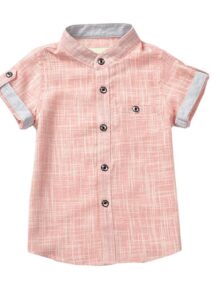
Boy
Wholesale Boys’ Clothing Manufacturer for Global Buyers
Minmax Textile manufactures custom boys’ clothing for fashion brands, retailers, wholesalers, importers, schools, sports organizations and private-label businesses. Buyers can develop individual products or coordinated boyswear collections based on their designs, fabrics, size charts, branding and packaging requirements.
Send us your tech pack, sketch, measurement chart, reference sample or product image. We will review the design, materials, construction, target age group, size range, estimated quantity and destination before preparing an order-specific quotation.
Custom Boys’ Clothing for Brands and Wholesalers
Boys’ clothing needs to combine comfort, movement, durability and an age-appropriate fit. The right product specification depends on the wearer’s age, intended use, selling season, destination climate, target price and retail channel.
We can review requirements for:
- Everyday casualwear
- School and uniform clothing
- Fashion collections
- Sports and activewear
- Summer clothing
- Winter clothing
- Lounge and homewear
- Promotional apparel
- Matching clothing sets
- Private-label essentials
- Seasonal retail collections
The products displayed in this category can serve as references for manufacturing. Buyers may also submit original designs for custom development.
Explore Our Boys’ Clothing Range
T-Shirts, Tank Tops and Polo Shirts
Build everyday, school, sports or promotional collections using products from our boys’ T-shirt manufacturer range. Buyers can request different necklines, sleeve lengths, fits, fabrics, colors, prints and branding options.
For summer, sports and layering collections, explore our boys’ tank tops category. Schoolwear suppliers, clubs, and casualwear brands can also review our range of boys’ polo shirts.
Shirts and Smart Casualwear
Our custom boys’ shirts can support school, occasionwear and smart-casual collections. Buyers should specify the required collar, sleeve, placket, pocket, cuff, hem and button construction.
Sweaters, Sweatshirts and Hoodies
Brands planning autumn and winter collections can explore our range of boys’ sweater manufacturers. Yarn, knit structure, gauge, weight, and finishing should be selected based on the intended climate and retail market.
For casual, sports and streetwear collections, review our boys’ sweatshirts and hoodies. Options may include pullover hoodies, zip-up designs, crewneck sweatshirts and fleece-lined garments.
Jeans, Trousers and Shorts
Our boys’ jeans manufacturer category provides references for classic, slim, straight, relaxed and fashion-led denim designs. Buyers should define the required denim weight, stretch, wash, hardware, pocket construction and finishing.
Schoolwear, smart-casual and everyday collections can include products from our boys’ twill pants range. For summer, sports and casualwear, explore our boys’ shorts manufacturer category.
Boys’ Socks
Buyers developing schoolwear, sportswear or complete retail collections can also review our boys’ socks category. Sock inquiries should include the required yarn, size system, length, colors, knitted design, labels and packaging.
Boys’ Clothing for Different Age Groups
A garment designed for a toddler cannot simply be enlarged for an older child. Body proportions, movement, styling, safety requirements, and fit expectations change as children grow.
Boyswear collections may be developed for:
- Babies
- Toddlers
- Young boys
- School-age boys
- Pre-teens
- Teen boys
State the intended age group and destination market with your inquiry. This information helps the manufacturer review the size chart, garment proportions, construction, and suitable materials.
Age labels alone may not provide enough information for accurate production. Buyers should provide body or garment measurements and their required grading rules whenever possible.
Fabric Options for Boys’ Clothing
Fabric selection affects comfort, durability, movement, appearance, care requirements, and production cost. The correct material depends on the garment and intended use.
Depending on the product and sourcing availability, fabric options may include:
- Cotton jersey
- Cotton-spandex
- Interlock
- Rib fabric
- French terry
- Fleece
- Piqué
- Poplin
- Oxford fabric
- Twill
- Denim
- Corduroy
- Polyester blends
- Performance fabrics
- Viscose blends
- Sweater yarns
Cotton jersey and interlock may suit T-shirts and casual tops. Piqué is commonly considered for polo shirts. French terry and fleece may work for sweatshirts, hoodies and joggers.
Poplin and Oxford fabrics are suitable for woven shirts. Twill, denim and corduroy may suit structured bottoms, jackets and selected schoolwear products.
Include your preferred fiber composition, fabric construction, weight or GSM, stretch, color and surface finish. Avoid requesting only “good cotton” or “standard fabric,” as these terms do not provide enough information for reliable costing and development.
Fit, Comfort and Construction
Good boyswear should support everyday movement without feeling restrictive. Fit and construction should reflect the intended activity, age group and product category.
Important considerations may include:
- Neck-opening size
- Shoulder width
- Chest and body ease
- Sleeve opening
- Waistband stretch
- Rise and seat measurements
- Thigh and leg opening
- Inseam and outseam
- Pocket size and placement
- Seam position
- Reinforcement points
- Closure type
- Layering allowance
Active products should allow comfortable running, bending, and stretching. School clothing may require stronger seams and durable fabrics for frequent wear. Outerwear and winter garments may need additional ease for layering.
These details should be evaluated during sampling rather than assumed from a generic size name.
Child-Safe Design Considerations
Children’s clothing requirements vary between countries and age groups. Buyers should provide the safety, labeling, chemical, and testing standards applicable to their destination market.
Designs may need to be reviewed for:
- Drawcord position and length
- Button and snap attachment
- Zipper construction
- Small decorative components
- Sharp edges
- Loose trims
- Long straps
- Neck openings
- Hood construction
- Flammability requirements
- Restricted substances
- Product labeling
Decorative components should be secure, practical, and suitable for the intended age group. The buyer should confirm all required tests and documentation before sampling and bulk production.
Private-Label Boys’ Clothing
Minmax Textile supports custom and private-label boyswear for businesses developing products under their own brand.
Customization may include:
- Custom patterns and sizing
- Buyer-selected fabrics
- Original colors and prints
- Screen printing
- Digital printing
- Heat transfers
- Embroidery
- Appliqué
- Patches
- Contrast panels
- Custom stitching
- Branded buttons and zippers
- Woven brand labels
- Care and size labels
- Hangtags
- Barcode stickers
- Individual packaging
- Retail-ready multipacks
- Custom carton markings
Provide usable artwork, color references, dimensions, and placement instructions for every decoration and branding component. The selected decoration method should suit the fabric, stretch, and intended use of the garment.
Planning labels and packaging during development helps prevent additional changes after production has started.
Sizing and Grading for International Markets
Boyswear sizes may be based on age, height, body measurements or a brand-specific chart. Sizing expectations can differ across the USA, the UK, Europe, Australia, Canada, and other markets.
Depending on the garment, important measurements may include:
- Chest
- Waist
- Hip
- Shoulder width
- Body length
- Sleeve length
- Neck opening
- Rise
- Inseam
- Outseam
- Thigh
- Leg opening
Provide the base size, full size range, measurement chart, grading rules, and permitted tolerances. A reference garment may help communicate the desired fit, but written measurements should support it.
For more detailed product-specific guidance, buyers can read our boys’ T-shirt manufacturing guide and boys’ tank top sourcing guide.
From Design to Bulk Production
1. Product Review
Send the design, intended age group, size range, quantity, fabric, and destination information.
2. Specification Confirmation
Construction, measurements, colors, trims, artwork, labels, and packaging are reviewed.
3. Material Selection
Fabric composition, weight, stretch, color, and finishing requirements are discussed for each product.
4. Sample Development
A sample may be prepared to evaluate the fit, construction, fabric, decoration and overall appearance.
5. Buyer Feedback and Approval
Required changes should be documented clearly. The relevant sample and specifications should be approved before bulk manufacturing begins.
6. Bulk Production
Materials are prepared, patterns are cut, and garments are assembled in accordance with the approved requirements.
7. Inspection and Packing
Finished garments are checked, labeled, folded and packed according to the agreed instructions.
Buyers who want a broader explanation can review our guide to the clothing manufacturing process.
Quality Control for Boys’ Clothing
Quality checks should cover the material, measurements, construction, decoration, finishing and packaging.
Inspection points may include:
- Fabric composition and weight
- Fabric shade and visible defects
- Garment measurements
- Stitch and seam condition
- Seam strength
- Neck and armhole shape
- Waistband recovery
- Pocket placement
- Button, snap, and zipper function
- Print and embroidery position
- Wash and finishing appearance
- Label accuracy
- Size and color assortment
- Folding and packaging
- Carton quantity and markings
Testing requirements depend on the product, buyer policy and destination market. Provide the required test methods, inspection level, documentation and acceptable tolerances with the order specification.
What Determines MOQ, Price and Production Time?
MOQ, pricing and production schedules depend on the complete product specification.
Important factors include:
- Product type
- Fabric availability
- Fabric composition and weight
- Custom dyeing
- Number of colors
- Size range and ratio
- Construction complexity
- Washing and finishing
- Printing or embroidery
- Custom trims and labels
- Packaging
- Testing and inspection
- Quantity per design and color
- Current production capacity
A basic T-shirt and a washed denim jacket do not require the same materials, equipment or production time. Submit quantities by style, color and size rather than providing only a total collection quantity.
The exact MOQ, sample charges, unit price, and estimated timing should be confirmed after the complete specification has been reviewed.
Planning a Global Bulk Order
International buyers should identify their destination country, delivery target, labeling requirements, packaging format, commercial document needs, and preferred shipping arrangement during the initial discussion.
A realistic order calendar should allow time for:
- Specification review
- Fabric and trim sourcing
- Sample development
- Buyer revisions
- Sample approval
- Bulk production
- Quality inspection
- Packing
- Transportation
- Customs clearance
Buyers are responsible for confirming destination-specific duties, import procedures, labeling, testing, and compliance requirements unless these responsibilities are assigned differently in an agreed commercial document.
Before beginning a sourcing discussion, buyers can review the Minmax Textile company profile for additional business information.
What to Include in Your Quotation Request
Send the following information:
- Product types
- Tech packs, sketches, or references
- Target age group
- Destination market
- Fabric composition and weight
- Size range and measurement charts
- Colors and prints
- Construction details
- Branding artwork
- Labels, hangtags and trims
- Packaging instructions
- Quantity per style and color
- Required testing
- Delivery destination
- Target completion or delivery date
A complete specification enables a more accurate feasibility review and a more accurate quotation. If you do not have a finished tech pack, begin with clear reference images, measurements, and a written explanation of the required changes.
Frequently Asked Questions
Can Minmax Textile manufacture custom boys’ clothing?
Buyers can submit tech packs, sketches, product images, measurement charts or physical references. The design, materials, construction, quantity and commercial requirements will be reviewed before development.
Which types of boys’ clothing can I order?
Potential categories include T-shirts, tank tops, polo shirts, woven shirts, sweaters, hoodies, sweatshirts, jeans, twill pants, shorts and socks. Production depends on the exact specifications and sourcing requirements.
Can I develop a complete boyswear collection?
Buyers can submit several coordinated products for review. Sharing the season, customer, color palette, size range, price position and launch date helps explain the complete collection plan.
Can I add my own brand labels and packaging?
Private-label requirements may include woven labels, care labels, size labels, hangtags, barcode stickers, polybags, multipacks and custom cartons. Provide all artwork and instructions before production.
What is the MOQ for custom boys’ clothing?
MOQ depends on the product, fabric, colors, sizes, decoration, trims, and packaging. Send the quantity required for each style and color for order-specific guidance.
Is sampling available before bulk production?
Sampling can be discussed after reviewing the product information. The buyer should confirm the fit, fabric, construction, colors, branding, and finishing before bulk production.
How long does bulk production take?
Timing depends on material availability, order quantity, design complexity, sample approval, testing, and packaging. An estimated schedule can be provided after the complete requirements have been reviewed.
Can Minmax Textile work with international buyers?
International orders can be reviewed based on the products, quantities, and destinations. Buyers should provide their market-specific sizing, labeling, safety, testing and documentation requirements.
Request a Bulk Boys’ Clothing Quote
Send Minmax Textile your product designs, fabric requirements, size charts, quantities, branding, packaging, and destination. You can request a bulk quotation via our contact page to begin sampling and manufacturing discussions.