
Choose Your Products
Showing 1–12 of 35 results
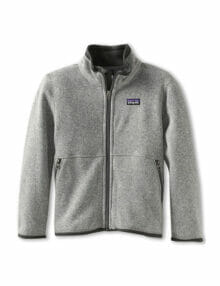
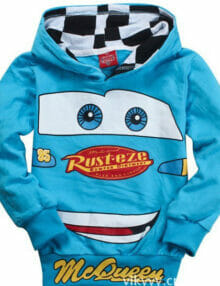
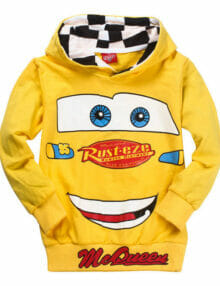
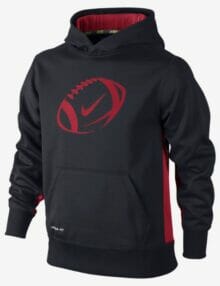
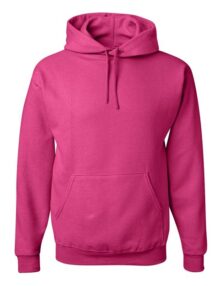
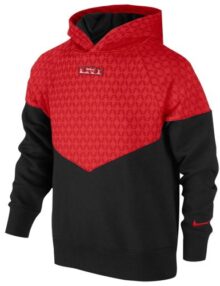
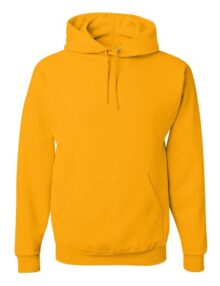
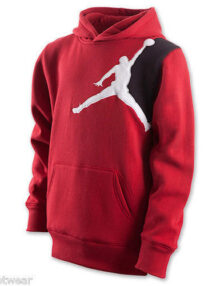
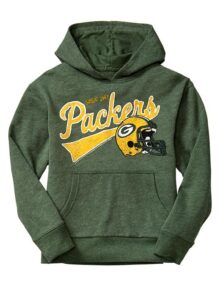
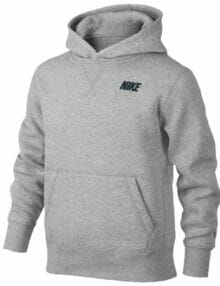
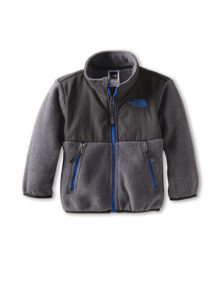
Sweatshirt Hoodies
Custom Boys’ Hoodies and Sweatshirts Manufacturer
Minmax Textile supports brands, retailers, importers, uniform suppliers, and sportswear businesses that source custom boys’ hoodies and sweatshirts in bulk. Styles can be developed around the buyer’s approved fabric, fit, size chart, colors, artwork, labels and packaging requirements.
Buyers can source hooded sweatshirts, crew-neck sweatshirts, zip-up hoodies, pullover hoodies, fleece tops and coordinated casualwear. Businesses planning to expand their childrenswear range can also explore our wholesale boys’ clothing collection.
Boys’ Hoodies and Sweatshirts for Bulk Orders
Boys’ hoodies and sweatshirts are commonly used for casual wear, school collections, sports clubs, promotional programs, outdoor layering, and private-label fashion ranges.
Possible product directions include:
- Pullover hoodies
- Full-zip hoodies
- Crew-neck sweatshirts
- Half-zip sweatshirts
- Hooded fleece tops
- Zip-front fleece jackets
- Oversized and relaxed-fit hoodies
- School and team sweatshirts
- Color-block and contrast-panel styles
- Printed and embroidered sweatshirts
- Lightweight French terry tops
- Brushed fleece winter hoodies
Buyers can use our classic boys’ sweatshirt and hoodie, distinct boys’ hoodie, and designer hoodie and sweatshirt pages as initial catalog references.
The collection also includes wholesale pullover hoodies and custom sweatshirts. Final fabric, construction, measurements, and decoration should be confirmed through an approved sample and written specification.
What Is the Difference Between a Hoodie and a Sweatshirt?
A sweatshirt is usually a knitted-fabric top with long sleeves and a crew neck. A hoodie is a sweatshirt-style garment with an attached hood. A hoodie may be designed as a pullover or with a front zipper.
A sweater or jumper is different because it is knitted directly from yarn. Buyers who require knitted garments should review the separate boys’ sweater collection.
Using the correct product name helps the manufacturer understand the required fabric, machinery, construction and costing. Buyers can learn more about category-specific sourcing in our guide to manufacturing boys’ sweatshirts and hoodies.
Fabric Options for Boys’ Hoodies and Sweatshirts
Fabric selection affects warmth, softness, appearance, durability, care requirements and price. Possible fabric directions include:
- Brushed cotton or cotton-blend fleece
- Unbrushed fleece
- French terry
- Cotton-polyester blends
- Polyester fleece
- Jersey or interlock for lightweight styles
- Recycled fiber blends where suitable documentation is available
- Performance fabrics for sports-inspired collections
The buyer should specify the required fiber composition, fabric weight, surface finish, stretch, color, and washing performance. Exact fabric availability and certification requirements should be confirmed before sampling.
Brushed Fleece
Brushed fleece has a soft inner surface and is commonly selected for warmer sweatshirts and hoodies. The buyer should confirm fabric weight, brushing level, shrinkage, and pilling requirements.
French Terry
French terry normally has a smooth outer face and looped inner surface. It can be suitable for lightweight or transitional collections where heavy winter fleece is unnecessary.
Cotton-Polyester Blends
A blended fabric may help balance softness, shape retention, drying time, and price. The exact ratio should be stated in the product specification and care label.
Fabric Weight and Seasonal Use
Fabric weight is commonly measured in GSM, meaning grams per square meter. A lower GSM fabric may suit lightweight layering, while a higher GSM fabric may provide more warmth.
There is no single correct GSM for every hoodie. The suitable weight depends on:
- Destination climate
- Intended season
- Customer age
- Retail price point
- Fit and garment size
- Brushed or unbrushed finish
- Printing or embroidery method
- Required product performance
Buyers should request a physical fabric swatch or garment sample before approval. Fabric softness, thickness, and drape cannot be accurately judged from images alone.
Comfortable Fit and Size Development
Age labels can differ between brands and countries. Buyers should provide a detailed measurement chart rather than relying solely on labels such as “age 8” or “large.”
Important measurements may include:
- Chest width
- Body length
- Shoulder width
- Sleeve length
- Armhole
- Neck opening
- Hood height and width
- Cuff and waistband dimensions
- Pocket size and position
- Zipper length
- Drawcord length where permitted
Measurement tolerances should be stated clearly. A size-set sample can help buyers review grading and proportion across the selected size range before bulk production.
The hood should fit comfortably without limiting visibility. Cuffs and waistbands should recover after stretching, and the neck opening should allow easy dressing without losing shape.
Customization and Private-Label Branding
Custom boys’ hoodies and sweatshirts can be developed around the buyer’s approved artwork and brand identity. Possible options include:
- Screen printing
- Embroidery
- Appliqué and badges
- Puff or raised printing
- Heat-transfer graphics
- All-over prints where suitable
- Contrast sleeves, hoods or panels
- Custom rib colors
- Branded zipper pullers
- Woven and printed labels
- Size and care labels
- Hangtags and barcode stickers
- Custom folding and packaging
- Carton marks for retail distribution
The decoration method should match the selected fabric and expected end use. Print size, placement, colors, and artwork should be confirmed through an approved strike-off, embroidery sample, or garment sample.
Hood, Pocket, Cuff and Zipper Details
Small construction details can significantly affect comfort and product quality.
A hood may be single-layered or lined, depending on the design and fabric weight. Kangaroo pockets should be positioned evenly and secured at stress points. Zippers should move smoothly, and the zipper length should match the approved garment measurements.
Rib cuffs and waistbands should have suitable stretch and recovery. Uneven ribs, twisted seams, weak pocket corners and misaligned zippers should be identified during inspection.
For younger children, every cord, toggle, zipper puller and decorative attachment should be reviewed for safety and destination-market requirements.
Build a Coordinated Boys’ Casualwear Range
Brands can coordinate hoodies and sweatshirts with boys’ T-shirts, boys’ polo shirts and boys’ jeans.
For warmer seasons, buyers may also add boys’ shorts using compatible colors, age groups, labels and packaging.
A coordinated range should use a consistent sizing system and brand presentation. However, each garment still needs its own specification because fleece tops, jersey T-shirts, polo shirts and denim bottoms require different materials and construction methods.
From Design to Bulk Production
A custom hoodie or sweatshirt order generally follows these stages:
- The buyer shares a design, a reference sample, or a technical specification.
- The fabric type, weight, colors, and size range are reviewed.
- Printing, embroidery, trims, labels and packaging are confirmed.
- The supplier reviews the target quantity and prepares a quotation.
- A development or fit sample is produced.
- The buyer provides corrections and approves the final sample.
- Bulk fabric and trims are arranged after approval.
- Cutting, sewing, decoration, and finishing are completed.
- Garments are inspected against the approved requirements.
- Approved products are packed for the agreed shipment plan.
Our clothing manufacturing process guide provides additional information about the development-to-delivery workflow.
The exact sample stages depend on the design, decoration, order volume, and buyer requirements. All corrections should be recorded in the latest specification before bulk production starts.
Quality Control for Bulk Hoodies and Sweatshirts
Quality checks should compare production garments with the approved sample and purchase order. Important inspection points include:
- Correct fabric composition and weight
- Fabric color and shade consistency
- Measurements within the approved tolerance
- Balanced body and matching sleeves
- Secure seams and stress points
- Even hood shape and attachment
- Smooth zipper operation
- Pocket position and reinforcement
- Rib stretch and recovery
- Print or embroidery placement
- Shrinkage and dimensional stability
- Pilling and colorfastness where required
- Correct labels and care information
- Folding, packaging and carton quantities
Inspection criteria should be agreed before production. Buyers may also request suitable laboratory testing or an independent inspection, depending on the product, destination, and order risk.
Children’s Clothing Safety and Compliance
Children’s clothing requirements vary between countries and sales channels. The buyer or importer should identify the standards that apply in the destination market.
Requirements may cover:
- Drawcords and functional cords
- Small decorative parts
- Zipper components
- Fiber and care labeling
- Country-of-origin marking
- Chemical restrictions
- Flammability
- Print and coating safety
- Packaging warnings
- Product testing and documentation
Avoid assuming that one design is acceptable in every country. Provide the required standards before sampling so the hood, cords, trims, and decorations can be reviewed at the development stage.
MOQ, Pricing and Lead Time
There is no universal MOQ, price, or production time for every hoodie and sweatshirt order. These depend on:
- Fabric type and GSM
- Stock or custom-dyed colors
- Number of styles and colors
- Size breakdown
- Pullover or zip-front construction
- Printing and embroidery
- Custom trims and zippers
- Labels and packaging
- Testing and inspection requirements
- Total order quantity
- Factory schedule
- Shipping term and destination
Ask whether the quoted MOQ applies to each style, each color or the entire order. A low total quantity, spread across many colors and sizes, may not be practical for fabric sourcing and production setup.
Lead time should be confirmed after the final design, materials, samples and purchase order details have been approved.
Planning International Bulk Orders
Global buyers should provide the destination country, the required warehouse date, and the preferred shipping term when requesting a quotation.
The production calendar may need to include time for:
- Fabric sourcing or dyeing
- Color approval
- Sample development
- Print or embroidery approval
- Bulk cutting and sewing
- Finishing and inspection
- Packing
- Export documentation
- Freight and customs clearance
The factory completion date is different from the buyer’s warehouse delivery date. Freight method, duties, taxes, and local delivery responsibilities should be clarified before the purchase order is finalized.
Information Needed for a Quotation
Send the following information with your bulk-order inquiry:
- Product sketch or reference images
- Pullover, zip-up or crew-neck style
- Preferred fabric and GSM
- Fabric composition
- Color references
- Detailed size chart
- Quantity by style, color and size
- Printing or embroidery artwork
- Hood, pocket, rib and zipper details
- Brand-label requirements
- Care-label information
- Folding and packaging instructions
- Testing or compliance requirements
- Destination country
- Required delivery date
- Preferred shipping term
A complete request helps the merchandising team review feasibility, costing, sampling, and production planning more accurately.
Why Work with Minmax Textile?
Minmax Textile works with apparel buyers seeking custom development and bulk clothing supply from Bangladesh. Buyers can review the Minmax Textile company profile as part of their supplier evaluation.
Before confirming an order, verify the current production arrangement, available fabrics, sample requirements, MOQ, quality procedures, relevant documentation, and realistic delivery schedule for your specific product.
Frequently Asked Questions
What types of boys’ hoodies can be customized?
Possible styles include pullover hoodies, full-zip hoodies, fleece hoodies, lightweight hooded tops and color-block designs. Availability depends on the approved fabric, construction and order requirements.
What types of boys’ sweatshirts are available?
Buyers may develop crew-neck, half-zip, printed, embroidered, fleece and sports-inspired sweatshirts. The final style should be confirmed through a specification and approved sample.
Can I add my logo and private labels?
Branding options may include printing, embroidery, woven labels, care labels, hangtags and custom packaging. Artwork and label information should be approved before bulk production.
Which fabric is best for children’s hoodies?
The best fabric depends on climate, season, softness, durability, washing requirements and price target. Brushed fleece, French terry and cotton-polyester blends serve different needs.
What is the MOQ for custom boys’ hoodies?
MOQ depends on fabric sourcing, colors, design complexity, decoration, labels and order breakdown. Confirm whether the minimum applies per style or per color.
Can I request a sample before placing a bulk order?
Sampling should be completed before bulk production. Sample type, charges and timing depend on the garment, fabric and decoration requirements.
How long does bulk production take?
Production timing depends on fabric availability, sampling, approvals, printing, embroidery, quantity and factory schedule. Request a written timeline for the specific order.
Can the order be prepared for international shipment?
International packing and shipping arrangements can be discussed based on the destination and agreed-upon trade terms. Freight, customs and local delivery responsibilities should be confirmed before ordering.
Request a Bulk Hoodie and Sweatshirt Quote
Planning a retail, private-label, school, teamwear or promotional collection? Send your design, fabric preference, size chart, colors, quantities, branding requirements, destination and required delivery date through the Minmax Textile contact page.
The merchandising team can review your requirements and discuss the appropriate sampling, quotation, and bulk production process.