
Choose Your Products
Showing 1–12 of 20 results
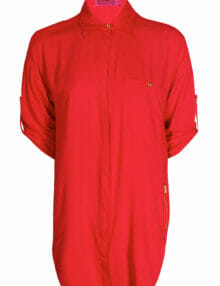
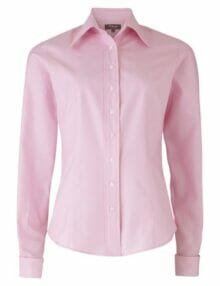
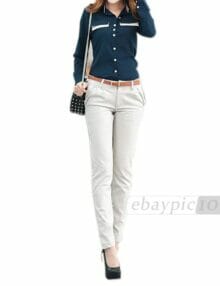
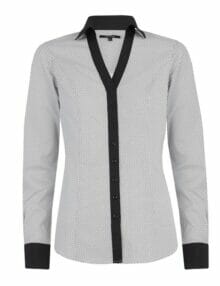
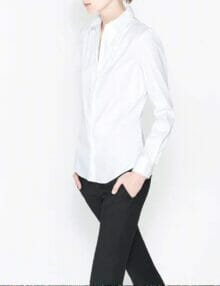
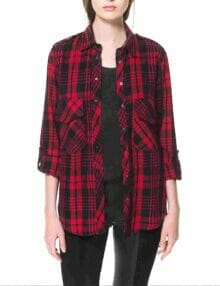
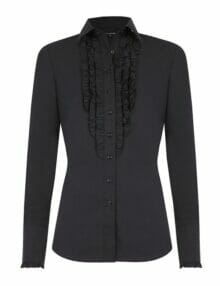
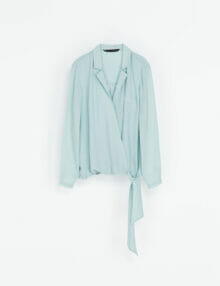
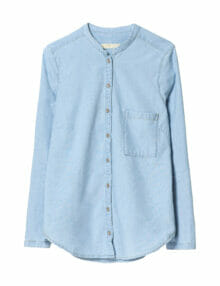
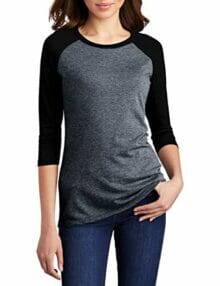

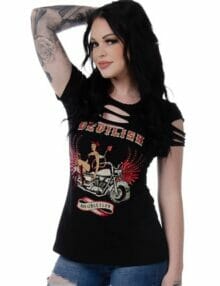
Shirts
Custom Women’s Shirt Manufacturer for Private-Label B2B Orders
MinMax Textile provides B2B custom and private-label women’s shirt manufacturing from Dhaka, Bangladesh, for fashion brands, retailers, wholesalers, and organizations that source garments in volume. Explore the catalog directions, including formal, casual, partywear, long-sleeve, plaid, raglan, and performance-inspired shirts. Final fabric, fit, construction, color, branding, and commercial terms are reviewed against your design, tech pack,k or reference sample before a quotation or development plan is confirmed.
Send your shirt design or reference, fabric requirements, size range, colorways, branding details, destination, and estimated quantity for a project-specific quotation.
Develop Women’s Shirts Around Your Product Brief
A woman’s shirt order requires more detail than selecting an image from a catalog. The fabric structure, fit block, collar shape, placket, sleeve, cuff, buttons, and finishing all influence the garment’s appearance, comfort, and production requirements.
The products above should be treated as design directions rather than fixed retail stock. For a custom or private-label project, submit your own specifications and ask the team to review feasibility, development needs, and commercial terms.
Women’s shirts should also remain separate from the women’s T-shirt category, which focuses on knitted tees, and the broader ladies’ tops category.
Shirt Styles and Business Uses
The current catalog shows several possible directions:
- Formal and office shirts: Structured collars, clean fronts and professional silhouettes for retail collections, uniforms or workplace programs.
- Casual shirts: Relaxed button-front styles, soft constructions and everyday fits.
- Fashion and partywear shirts: Design-led silhouettes, decorative details, statement sleeves or distinctive finishes.
- Long-sleeve shirts: Styles requiring clear specifications for the cuff, sleeve opening, and placket.
- Plaid and checked shirts: Products where pattern scale, placement, and matching can affect appearance and cost.
- Raglan or relaxed shirts: Alternative sleeve construction for casual, fashion or performance-led concepts.
- Performance-inspired shirts: Products requiring a clear fabric and end-use brief rather than an undefined “dri-fit” request.
- Sleep shirts: Longer or relaxed styles that may be better grouped with nightwear after product review.
Review examples such as formal women’s shirts, women’s raglan shirts, and fashion shirts and blouses.
Specifications That Shape the Finished Shirt
| Specification area | Buyer decision | Typical application | Effect on the garment |
| Silhouette and fit | Fitted, straight, relaxed, oversized, cropped or longline | Fashion, office, uniform or casual ranges | Controls ease, drape, balance and grading |
| Fabric brief | Fibre content, woven structure, weight, opacity, stretch and hand feel | Formal, casual, fashion or work use | Influences structure, comfort, care and cost |
| Collar and neckline | Point, spread, rounded, band, open neck or another reference | Office, casual or design-led shirts | Changes appearance, pattern pieces and interlining needs |
| Front construction | Full button front, concealed placket, half placket or popover | Formal, casual or uniform programs | Affects opening, button quantity and assembly |
| Sleeves and cuffs | Short, long, rolled, gathered, elasticated or cuffed | Seasonal and style-specific collections | Changes fit, movement, consumption and finishing |
| Shaping details | Darts, princess seams, gathers, pleats, yokes or panels | Fitted and fashion silhouettes | Controls bust, waist and body shaping |
| Pattern placement | Solid, stripe, check, plaid or engineered print | Fashion and casual shirts | May require matching across fronts, pockets and seams |
| Branding and trims | Labels, buttons, embroidery, artwork and hangtags | Private-label and branded programs | Affects sourcing, setup and product presentation |
| Packaging | Folding, individual packing, size stickers and cartons | Retail, wholesale and distribution | Influences presentation and shipment preparation |
Fabric, Fit,t and Construction Planning
Possible woven-shirt directions include poplin, Oxford-style constructions, twill, dobby, satin-look fabrics, cs and viscose or blended materials. These are general sourcing options to discuss, not a list of confirmed stock fabrics. State the intended use, required fiber composition, fabric weight, surface texture, opacity, stretch, color standard, ard and care expectations.
For fit, provide a base size and measurement chart. Important points may include shoulder width, bust, waist, sweep, body length, armhole, bicep, sleeve length, cuff opening, neck measurement. Confirm whether the shirt should be fitted through darts or seams, straight through the body, relaxed or oversized.
Construction instructions should cover:
- Collar shape, height, and spread
- Collar stand and interlining preference
- Front placket width and construction
- Button size, spacing, and attachment
- Cuff shape, depth, and closure
- Back yoke, pleats, darts, or gathers
- Pocket position and dimensions
- Seam type, stitching, and hem shape
- Striped, check, or plaid matching expectations
- Main label, size label,l and care-label position
These details help reduce interpretation during sampling.
Customization and Private-Label Requirements
Include all branding requirements in the first inquiry. Depending on the design, buyers may wish to discuss embroidery, print, custom labels, branded buttons, hangtags, size stickers, and retail packaging.
Submit artwork in an appropriate production file format and specify its exact placement, dimensions, and colors. The fabric, artwork complexity, order quantity,y and desired finish can affect which method is feasible. Branding should therefore be reviewed before finalizing price and timing.
Product Development and Sample Approval
A typical custom project may begin with a design, tech pack, or reference sample, followed by a feasibility review, material discussion, pattern or sample development, and buyer approval. The exact process should be agreed upon for the individual order.
Use the sample to evaluate:
- Overall silhouette and balance
- Bust and waist fit
- Collar shape and roll
- Front placket alignment
- Button spacing and security
- Sleeve and cuff comfort
- Measurements and grading
- Fabric hand, opacity, and drape
- Artwork, labels,s and trims
- Finishing and presentation
Record every approved revision in the final specification. Photographs and informal messages should not replace an updated tech pack or signed sample comments.
Quality Planning for Women’s Shirts
Set quality expectations before production begins. Depending on the product and market, the quality plan may address measurement tolerances, seam appearance, puckering, shade consistency, pattern matching, button security, collar symmetry, label position, finishing, pressing, folding, and carton marking.
Any laboratory testing, inspection methods, or acceptance level should be stated in the purchase requirements. Testing needs vary by fabric, intended use, destination market, and buyer policy, so no standard should be assumed based on a general category description.
One common sourcing mistake is approving the fabric and front appearance while leaving fit, collar construction,tion and grading unresolved. A shirt may look correct in one sample size but become inconsistent across the full size range if grade rules and key measurements are incomplete.
MOQ, Price, and Lead-Time Factors
MOQ, sample cost, unit price, and lead time must be confirmed for the specific project. They can be affected by:
- Fabric sourcing or custom development
- Number of styles and colorways
- Quantity per color
- Size breakdown
- Stripe or plaid matching
- Buttons, interlining,g and trims
- Print or embroidery requirements
- Labels and packaging
- Testing or inspection requirements
- Approval speed and production schedule
Provide the quantity by style, color, and size. Also clarify whether the target date refers to sample approval, factory completion, shipment, or arrival at the final destination.
Suitable B2B Buyers
This category is intended for businesses and organizations purchasing in volume, including:
- Private-label and established fashion brands
- Retailers and boutiques
- Wholesalers and distributors
- Corporate and uniform buyers
- Hospitality and service organizations
- Promotional-apparel agencies
- Importers and sourcing representatives
It is not structured as a single-item personal retail service.
Learn more about MinMax Textile through the About page and Company Profile.
Planning an International Order
International buyers should identify the destination country, preferred shipping arrangement, required documents, carton specifications, labeling rules, and target arrival date.
Production completion and arrival are not the same deadline. Freight booking, transit, customs procedures, duties, and local delivery can affect the final schedule. Confirm which party is responsible for each stage of logistics before order approval.
What to Include in Your Quote Request
Send:
- Design file, tech pack,k or clear reference images
- Intended use and target market
- Fabric composition and construction requirements
- Required weight, stretch, op,acity and hand feel
- Base size and measurement chart
- Grade rules and size breakdown
- Colourways and colour references
- Collar, placket, cuff and closure details
- Artwork, embroidery, or other branding information
- Label, button, trim and hangtag requirements
- Folding, packing and carton instructions
- Testing or compliance requirements
- Destination country and preferred shipping terms
- Target completion or arrival date
- Estimated quantity by style, color and size
Frequently Asked Questions
Can MinMax Textile review my tech pack or reference sample?
Send the available tech pack, measurement chart, artwork, and reference images with your inquiry. The team can review the information, discuss feasibility, development requirements, and commercial details. A complete specification helps identify missing decisions before a quotation or sample plan is confirmed.
Which women’s shirt styles are shown in this category?
The catalog includes formal, casual, partywear, fitted, long-sleeve, plaid, raglan, sleep, and performance-inspired directions. Some existing products may require recategorization. Treat the cards as references and submit your own specifications for a custom or private-label order.
What is the difference between this category and women’s T-shirts?
This page should focus mainly on constructed shirts, including button fronts, collars, plackets, cuffs, darts, yokes, and woven-fabric decisions. Women’s T-shirts normally use knitted fabrics and simpler neckline and hem constructions. Buyers seeking tees should use the dedicated women’s T-shirt category.
Which fabric should I request for a women’s shirt?
Start with the garment’s intended use, desired structure, softness, opacity, care requirements, and target price level. Then provide a reference for fiber and fabric. A crisp office shirt, a relaxed casual shirt, and a fluid fashion blouse may require different materials. Final availability and suitability must be reviewed for the order.
Can custom labels, embroidery, or other branding be included?
Add the required branding to your RFQ, including artwork, dimensions, placement, colors, labels, hangtags, and packaging. Feasibility and cost depend on the fabric, design quantity, and application method. Do not assume that every decoration method suits every shirt fabric.
What is the MOQ for custom women’s shirts?
MOQ should be confirmed for the exact design and quantity per color. Fabric development, custom dyeing, trims, button sourcing, colorways, branding, and packaging can change the economic minimum. Share the expected units by style, color, and size to receive a relevant response.
Are samples available before bulk production?
Sampling can be discussed during product development. Confirm the sample type, charge, timing, number of revisions, and courier responsibility before proceeding. The approved sample and updated technical specification should serve as the reference for fit, construction, materials, branding, and appearance.
How are price and lead time calculated?
Price and timing depend on the fabric, construction, quantity, colorways, size range, trims, pattern matching, branding, packaging, testing, approvals, and production schedule. Submit the complete brief and destination details rather than requesting a price based only on a product photograph.
Request a Women’s Shirt Manufacturing Quote
Send your design or reference, fabric brief, measurements, sizes, colorways, collar and construction details, branding requirements, packaging instructions, destination country, target date, and estimated quantity via the MinMax Textile contact page.
The team can review the specification and discuss the appropriate next step for feasibility, sampling, and quotation.