
Choose Your Products
Showing 1–12 of 34 results
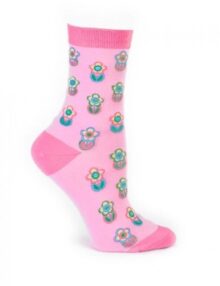
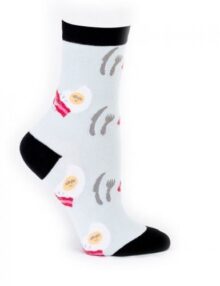
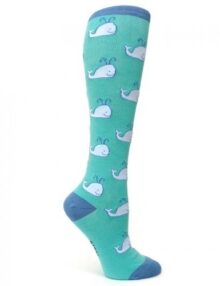
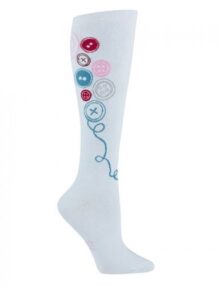
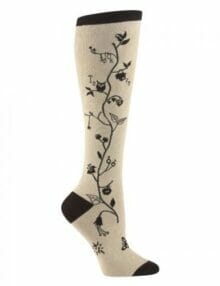
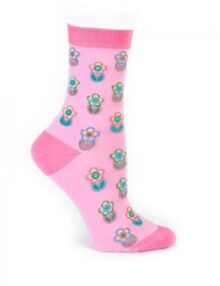
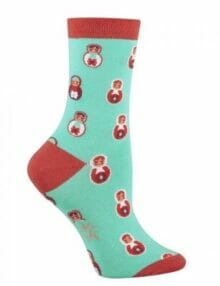
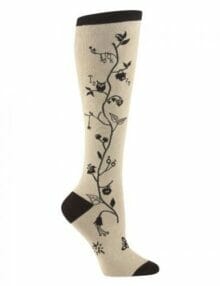
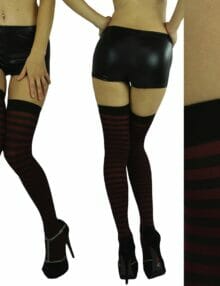
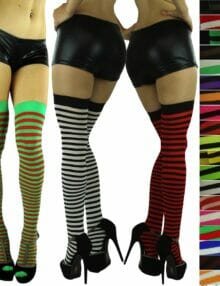
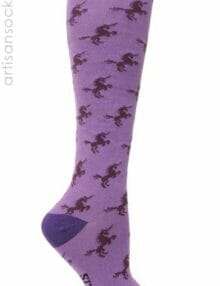
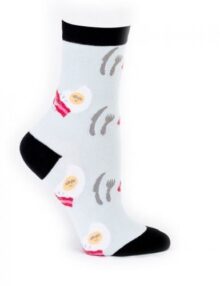
Socks
Girls’ Socks Manufacturer for Custom and Bulk Orders
Minmax Textile manufactures custom girls’ socks for fashion brands, schools, retailers, wholesalers, importers, and private-label businesses. As a wholesale girls’ clothing manufacturer, we help buyers develop socks according to their required yarn, size, length, colors, knitted design, branding, and packaging.
Buyers can use the products displayed on this page as initial references or submit an original design. Send your artwork, size range, yarn preference, estimated quantity, packaging instructions and delivery destination for a manufacturing review and quotation.
Custom Girls’ Socks for Wholesale Buyers
Girls’ socks need to feel comfortable, fit securely and withstand regular wear and washing. Yarn composition, knitting density, cuff tension, heel shape and toe finishing all affect the performance of the finished product.
Available styles may include:
- No-show socks
- Low-cut socks
- Ankle socks
- Quarter-length socks
- Crew socks
- Calf-length socks
- Knee-high socks
- School socks
- Dress socks
- Sports socks
- Grip socks
- Thermal socks
- Fashion socks
- Jacquard socks
- Tights and stockings
The right style depends on the wearer’s age, shoe type, activity, climate, destination market, and expected retail price. Buyers who want a deeper sourcing overview can read our girls’ socks manufacturing guide.
Explore Girls’ Sock Styles
Minmax Textile displays several sock designs that buyers can use to communicate their preferred length and construction.
Our low-cut calf socks can provide a reference for casual and everyday collections. Buyers interested in slightly higher-profile options can review our custom quarter-crew socks.
For school, casual and sports collections, explore our custom crew socks. Longer designs may be developed using our bulk calf-length socks or girls’ knee-high socks as starting references.
Buyers planning fashion, schoolwear or seasonal products may also review our custom high socks. Visit the complete custom sock range to explore additional product categories.
Displayed products should be treated as manufacturing references unless current stock, yarn availability, sizing, colors and pricing have been confirmed.
Yarn and Material Options
Yarn selection influences softness, breathability, stretch, durability, warmth, moisture control, and cost. Most socks use a carefully selected fiber blend rather than a single material.
Depending on the design and intended use, yarn options may include:
- Cotton
- Cotton-polyester blends
- Cotton-nylon blends
- Polyester
- Nylon
- Elastane or spandex
- Bamboo-derived viscose
- Wool and wool blends
- Other buyer-specified yarn blends
Cotton blends are commonly considered for casual, school and everyday socks. Polyester may support durability, color retention and quicker drying. Nylon can strengthen areas exposed to repeated friction, while elastane or spandex helps provide stretch and recovery.
Wool blends may suit winter, hiking and thermal collections. Bamboo-derived viscose may provide a soft, smooth feel, but buyers should evaluate its full fiber composition, durability, and care requirements.
A request for “cotton socks” alone is not enough for accurate development. Include the required fiber percentages, thickness, softness, stretch, performance requirements, and target price.
Important Sock Construction Details
A complete specification helps the manufacturer select suitable yarns, knitting equipment, needle count, gauge and finishing methods.
Knitting Gauge and Density
Knitting gauge affects thickness, pattern detail, softness, stretch and durability. Fine knitting may create a smoother surface and more detailed artwork, while heavier constructions can provide cushioning or warmth.
Heel Construction
The heel should remain correctly positioned during wear. Poor heel shaping may cause slipping, twisting, or bunching. Heel dimensions must be developed for the approved size range.
Toe Closing
Toe seams should be secure and comfortable when worn with the intended footwear. Bulky or uneven seams can create pressure, especially during extended use at school or during sports.
Cuffs and Ribbing
Cuffs help keep socks in position. Rib structure, elastic tension, cuff width, and finishing should provide enough support without feeling excessively tight.
Reinforced Heels and Toes
High-wear areas may be reinforced with stronger yarns. Reinforcement should improve durability without creating unwanted stiffness or discomfort.
Cushioning and Grip
Sports and performance socks may include cushioning at the heel, sole or forefoot. Grip socks may require a durable anti-slip application. The position, thickness and material should be clearly specified.
Custom Designs and Private-Label Branding
Custom girls’ socks can be developed to match a brand’s visual identity, customer needs and retail positioning.
Customization may include:
- Custom yarn colors
- Knitted logos
- Jacquard patterns
- Stripes and dots
- Contrast heels and toes
- Seasonal artwork
- Decorative cuffs
- Ruffles or bows
- Embroidery
- Anti-slip grips
- Cushioning zones
- Reinforced heels and toes
- Woven or printed labels
- Header cards
- Belly bands
- Barcode stickers
- Custom polybags
- Retail-ready multipacks
- Branded cartons
Highly detailed artwork may not reproduce clearly within a knitted structure. Design resolution depends on the available needle count, yarn colors, sock size, and knitting program. Artwork should therefore be reviewed before sample development.
Private-label buyers should provide their logo files, color references, label information, barcode requirements and packaging layout with the product specification.
Girls’ Sock Sizing and Fit
Girls’ socks may be sized using age, shoe size, foot length, or a market-specific sizing system. Age alone may not be sufficiently accurate because children of the same age can wear different shoe sizes.
Important measurements may include:
- Foot length
- Heel-to-toe length
- Leg length
- Cuff height
- Cuff width
- Ankle width
- Toe width
- Relaxed opening
- Extended opening
State the sizing system and destination market when submitting an inquiry. If the socks will be worn with school shoes, boots, sports footwear, or casual sneakers, include this information, as footwear can affect the required thickness and fit.
Approved samples should be tested on wearers within the intended size range. Check heel position, toe room, cuff pressure, slipping, stretch, recovery and comfort during movement.
Sampling and Bulk Manufacturing Process
1. Define the Product
Confirm the intended customer, sock style, length, activity, season, destination and target retail position.
2. Submit the Specification
Provide measurements, yarn composition, colors, artwork, construction, labels, packaging, and quantities.
3. Review Yarn and Colors
Physical yarn or knitted color samples may be reviewed when color accuracy and hand feel are important.
4. Develop a Sample
The sample allows the buyer to inspect sizing, heel shape, cuff tension, toe seams, pattern placement and overall comfort.
5. Test Fit and Washing
Wear and wash testing can identify slipping, excessive cuff pressure, shrinkage, fading, pilling, color bleeding or loss of elasticity.
6. Approve the Final Specification
Bulk production should begin after the relevant yarns, colors, measurements, construction, artwork, labels and packaging have been approved.
7. Bulk Knitting and Finishing
The socks are knitted, toe-closed, shaped, finished, and prepared in accordance with the approved specifications.
8. Inspection and Packing
Finished socks are checked, paired, labeled and packed according to the confirmed order requirements.
Sampling and production schedules depend on yarn availability, design complexity, size range, quantity, approval speed and packaging.
Quality Control for Girls’ Socks
Quality checks should take place during knitting, finishing, pairing and packing. Important inspection points may include:
- Yarn composition and color
- Knitting consistency
- Dropped or broken stitches
- Holes and yarn defects
- Sock measurements
- Heel position and formation
- Toe-seam condition
- Cuff stretch and recovery
- Pattern and logo accuracy
- Reinforcement placement
- Cushioning thickness
- Grip application
- Matching size and color within each pair
- Label and barcode accuracy
- Multipack quantity
- Carton markings
Each pair should contain matching socks with consistent size, length, color and pattern placement. Buyers should provide any required testing method, inspection level or restricted-substance requirements before production.
Children’s products may be subject to different safety, labeling and chemical requirements across markets. The buyer should identify all applicable destination standards during product development.
What Determines MOQ and Price?
MOQ and pricing depend on the complete sock specification, not the product name alone.
Important factors include:
- Yarn composition and quality
- Sock weight and thickness
- Knitting gauge and needle count
- Sock length
- Number of yarn colors
- Pattern complexity
- Custom yarn dyeing
- Quantity per design and color
- Size assortment
- Reinforcement and cushioning
- Toe-closing method
- Embroidery or grip application
- Labels and retail packaging
- Multipack configuration
- Testing and inspection
- Shipping terms
A basic single-color ankle sock and a multi-color knee-high jacquard sock require different yarns, knitting programs, and production time. Submit the required quantity for each design, color, and size so the applicable MOQ and pricing can be confirmed.
Build a Complete Girlswear Collection
Girls’ socks may be ordered as a standalone product or coordinated with other apparel. School and sportswear buyers may combine socks with products from our girls’ polo shirts supplier category.
Fashion and casualwear collections can include matching products from our girls’ T-shirt manufacturer range. Buyers planning school uniforms can coordinate socks with wholesale girls’ skirts or products from our girls’ shorts manufacturer category.
Using consistent colors, labels, size systems and packaging across related products can help create a more organized retail collection.
Information Needed for a Quotation
Send the following information:
- Sock style and length
- Target age or shoe-size range
- Destination sizing system
- Foot and leg measurements
- Yarn composition
- Yarn colors
- Required thickness
- Knitted artwork or logo
- Heel and toe construction
- Cuff requirements
- Reinforcement or cushioning
- Grip requirements
- Labels and packaging
- Quantity by design, color, and size
- Delivery destination
- Required completion date
- Testing and documentation requirements
Buyers can review our company profile for additional information about Minmax Textile before beginning a sourcing discussion.
Frequently Asked Questions
Can Minmax Textile manufacture custom girls’ socks?
Buyers can submit their required sock style, yarn, sizing, colors, artwork, branding, and packaging for review. Manufacturing feasibility and commercial terms should be confirmed for the exact design.
Which girls’ sock styles are available?
Potential styles include no-show, ankle, quarter, crew, calf-length, knee-high, school, sports, grip, thermal and fashion socks. Available options depend on the required yarn, construction and knitting capability.
Can I add my logo to the socks?
Logos may be incorporated through knitted patterns, embroidery, labels or packaging, depending on the design. Provide usable artwork, colors, dimensions, and placement instructions.
What is the MOQ for wholesale girls’ socks?
MOQ depends on the yarn, design, colors, sizes, knitting setup, branding and packaging. Submit the required quantity for each design and color to receive order-specific guidance.
Can I approve samples before bulk production?
Sample development can be discussed after the product specification has been reviewed. Buyers should approve the fit, yarn, colors, pattern, seams, labels, and packaging before bulk production.
How should girls’ socks be sized?
Girls’ socks may use shoe size, foot length, age, or a market-specific size system. Foot measurements and intended footwear provide more reliable information than age alone.
Can custom retail packaging be added?
Packaging options may include woven or printed labels, header cards, belly bands, barcode stickers, polybags, multipacks and branded cartons. Provide the required layout and product information.
Can Minmax Textile supply international bulk buyers?
International orders can be reviewed based on the product, quantity, and destination. Buyers should provide destination-specific sizing, labeling, testing, documentation and delivery requirements.
Request a Bulk Girls’ Socks Quote
Send Minmax Textile your sock design, yarn requirements, size range, artwork, branding, packaging, quantity, and destination. You can request a bulk quotation via our contact page to begin sampling and manufacturing discussions.