
Choose Your Products
Showing 1–12 of 22 results
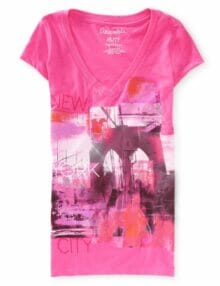
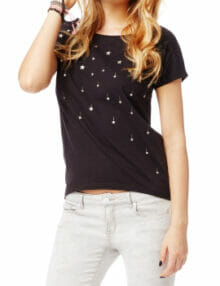
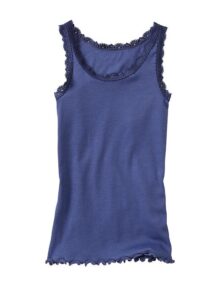
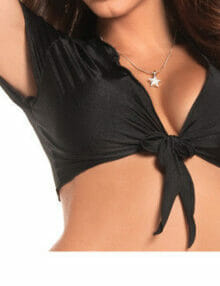
Tops
Girls’ Tops Manufacturer in Bangladesh
Girls’ tops are an essential part of children’s and teenage clothing collections. Although the product may appear simple, successful manufacturing requires careful decisions about fabric, fit, age-appropriate proportions, neckline, sleeves, decoration, construction, labeling, and packaging.
Minmax Textile supports custom girls’ top manufacturing for fashion brands, children’s clothing companies, retailers, importers, wholesalers, distributors, schoolwear suppliers, online stores, and private-label businesses.
As a girls’ tops manufacturer in Bangladesh, we can review buyer-supplied technical packs, measurement charts, sketches, artwork, product images, and physical reference samples. Product development can be discussed according to the target age group, intended use, fabric, design, size range, order quantity, branding, packaging, destination market, and expected delivery period.
Custom Girls’ Tops for Wholesale Buyers
Girls’ tops can be developed for everyday fashion, summer collections, schoolwear, sportswear, activewear, holiday ranges, promotional programs, and coordinated retail assortments.
Possible product directions include:
- Short-sleeve tops
- Long-sleeve tops
- Sleeveless tops
- Tank tops
- Casual jersey tops
- Fashion tops
- Blouses
- Tunic tops
- Peplum tops
- Crop-style tops for appropriate age groups
- Ruffle tops
- Frill-sleeve tops
- Puff-sleeve tops
- Off-shoulder-inspired styles with age-appropriate coverage
- Printed tops
- Embroidered tops
- Appliqué tops
- Rib-knit tops
- Sports tops
- Gym tops
- School uniform tops
- Layering tops
- Matching-set tops
- Party and occasion tops
Buyers looking for a general product reference can review this wholesale girls’ apparel top before submitting their own fabric, measurements, colors, and design details.
The final product should be developed around the intended customer rather than copied directly from an adult garment.
Tops for Toddlers, Young Girls, and Teenagers
The word “girls” can include several age groups, and each group requires different garment proportions.
Development may be discussed for:
- Toddlers
- Young girls
- School-age children
- Pre-teens
- Teenagers
Toddler tops usually need comfortable neck openings, sufficient body width, appropriate garment length, and easy dressing features. School-age products may require a balance between appearance, movement, durability, and washing performance.
Teenage tops may follow more fashion-focused silhouettes, including relaxed, oversized, shaped, cropped, layered, or coordinated-set designs. However, the required coverage and proportions should always be clearly specified.
For a straightforward style reference, buyers can examine this custom girls’ top and explain which parts of the shape, construction, or appearance should be changed.
Important development points include:
- Target age group
- Intended fit
- Chest width
- Body length
- Shoulder width
- Armhole depth
- Neck opening
- Sleeve shape
- Bottom opening
- Required coverage
- Ease of dressing
- Layering requirements
A garment should not simply be enlarged or reduced across every size. The measurement chart and grading rules should reflect the body proportions of the intended customer.
Toddler Girls’ Top Manufacturing
Toddler clothing requires particular attention to comfort, movement, dressing, and trim selection.
A toddler top may include:
- Envelope neck construction
- Shoulder snaps
- Back-neck buttons
- Wide round neck
- Stretch neckline
- Raglan sleeves
- Short sleeves
- Long sleeves
- Sleeveless construction
- A-line body shape
- Gathered waist
- Ruffle hem
- Peplum shape
- Coordinating leggings or shorts
Buyers developing clothing for younger children may use this toddler girls’ top design as one starting point for discussing custom development.
The garment should provide enough room for active movement without becoming excessively loose. Neck openings should be practical, seams should be comfortable, and decorative items should be selected according to the intended age group and applicable buyer requirements.
Another relevant reference is this cotton-jersey toddler girls’ top, which may help buyers communicate a casual everyday product direction.
When submitting an inquiry for toddler clothing, buyers should confirm the age or height range, garment measurements, fabric requirements, fastening method, decoration, and intended selling market.
Fabric Options for Girls’ Tops
Fabric selection affects comfort, appearance, stretch, durability, shrinkage, opacity, decoration, care instructions, and price.
Common options may include:
- Single jersey
- Cotton jersey
- Combed cotton jersey
- Cotton-spandex jersey
- Interlock
- Rib fabric
- Waffle knit
- French terry
- Lightweight fleece
- Cotton poplin
- Viscose
- Viscose-spandex
- Cotton-polyester blends
- Polyester performance fabric
- Mesh
- Eyelet fabric
- Chambray
- Lightweight denim
- Woven check fabric
- Recycled fiber blends
- Organic cotton
- Buyer-specified blended fabrics
Cotton-rich jersey is commonly considered for casual tops because it can provide a soft and familiar feel. Cotton-spandex fabric may be suitable when the design requires controlled stretch and recovery.
Interlock can create a smoother and more substantial appearance than some lightweight jerseys. Rib fabric may suit fitted or stretch-focused designs. Poplin and other woven fabrics can be used for blouses, structured tops, schoolwear, and fashion-led products.
Performance polyester, stretch fabric, or mesh panels may be considered for sports and activity tops. The correct choice depends on the product’s intended use and buyer specifications.
Buyers should provide:
- Fiber composition
- Fabric construction
- Required fabric weight
- Stretch direction
- Color
- Surface texture
- Hand feel
- Required finish
- Shrinkage requirements
- Performance requirements
- Applicable testing protocol
When an exact fabric specification is unavailable, a physical reference garment or approved fabric swatch can help communicate the required result.
Fabric Weight and Product Performance
Fabric weight should be selected according to the garment design, climate, required coverage, and intended use.
Lightweight fabric may suit warm-weather tops, layering products, or activewear. However, buyers should review opacity, stability, seam appearance, and shape retention.
Medium-weight jersey can work for many casualwear programs. A more substantial interlock, rib, fleece, or structured woven fabric may suit cooler seasons or products requiring a heavier appearance.
The same fabric weight can perform differently depending on fiber composition and construction. Buyers should therefore consider:
- Opacity
- Drape
- Stretch
- Recovery
- Softness
- Breathability
- Dimensional stability
- Pilling
- Surface appearance
- Washing performance
Fabric should be approved in the required color and construction before bulk production.
Neckline Development
The neckline influences comfort, dressing, coverage, and the overall appearance of a girls’ top.
Possible neckline options include:
- Crew neck
- Round neck
- Scoop neck
- V-neck
- Square neck
- Boat neck
- Mock neck
- Turtleneck
- Henley neck
- Polo-inspired neck
- Collared neckline
- Ruffle neckline
- Keyhole opening
- Shoulder-button opening
- Back-button opening
- Back-zip opening
- Envelope neck
Neck width and depth should be suitable for the target age group. A neckline that is too small may make dressing difficult, while an opening that is too wide may not provide the required coverage or shape retention.
Stretch necklines should recover after dressing and washing. Binding, rib, facing, elastic, buttons, snaps, or zippers may be used depending on the design.
For younger children, the opening method should be practical and securely constructed. Buyers should clearly specify the required neck shape, depth, finishing method, and fastening details.
Sleeve and Shoulder Options
Sleeves help define the style and season of a girls’ top.
Possible options include:
- Short sleeves
- Long sleeves
- Three-quarter sleeves
- Cap sleeves
- Sleeveless construction
- Raglan sleeves
- Set-in sleeves
- Drop-shoulder sleeves
- Puff sleeves
- Balloon sleeves
- Bishop sleeves
- Bell sleeves
- Flutter sleeves
- Ruffle sleeves
- Layered sleeves
- Cuffed sleeves
- Elasticated sleeve openings
A basic set-in sleeve can suit everyday casualwear. Raglan construction may create a sporty appearance and provide a different range of movement. Puff, flutter, bell, and ruffle sleeves may be used for fashion collections.
Sleeve volume should remain balanced across the size range. Cuffs and elastic openings should feel comfortable without becoming excessively loose or tight.
Armhole depth, shoulder width, sleeve length, sleeve opening, and mobility should be reviewed during fitting.
Girls’ Tank Tops and Sleeveless Styles
Tank tops can be developed for summer fashion, layering, sportswear, gym collections, sleepwear, and casual retail programs.
Possible tank-top details include:
- Round neck
- Scoop neck
- Racerback
- Wide shoulder straps
- Narrow straps where age-appropriate
- Binding around the neck and armholes
- Self-fabric finishing
- Rib construction
- Contrast panels
- Curved hem
- Side slits
- Printed graphics
- Embroidery
- Plain private-label styling
Buyers developing a simple base product can view these wholesale girls’ blank tank tops before specifying their preferred fabric, fit, color, labeling, and packaging.
The armhole should provide the required coverage and freedom of movement. Binding should lie smoothly without twisting, stretching, or creating unnecessary pressure.
For buyers planning a wider sleeveless collection, these custom girls’ tank tops provide another relevant product reference.
Sports and Gym Tops for Girls
Sports and activity tops may require different fabrics and construction from everyday fashion tops.
Possible requirements include:
- Lightweight performance fabric
- Moisture-management properties
- Stretch construction
- Breathable panels
- Mesh ventilation
- Raglan sleeves
- Racerback construction
- Flat or smooth seams
- Reflective details
- Team colors
- Club logos
- Player names or numbers
- Sublimated graphics
- Screen printing
- Heat-transfer decoration
Buyers can review these wholesale girls’ gym tops when planning an activewear or sportswear program.
The fabric and decoration method should match the intended activity. A lightweight top for indoor training may have different requirements from a team uniform, outdoor sports top, or casual athleisure product.
Buyers should explain:
- Intended activity
- Required fit
- Fabric composition
- Stretch requirements
- Breathability requirements
- Decoration method
- Logo position
- Size range
- Intended washing conditions
- Applicable performance testing
Fashion Tops, Blouses, and Tunics
Girls’ fashion tops can include structured, gathered, layered, or decorative details that are not normally used in basic T-shirts.
Possible design elements include:
- Ruffles
- Frills
- Pleats
- Gathers
- Peplum hems
- Smocking
- Elasticated panels
- Yokes
- Button fronts
- Decorative collars
- Lace inserts
- Eyelet panels
- Contrast fabric
- Tiered construction
- Bows
- Pockets
- Side slits
- High-low hems
- Tunic lengths
- Coordinating belts
A fashion top may use jersey, poplin, viscose, rib, woven checks, or mixed-material construction. Fabric drape should match the intended silhouette.
For a related fashion reference, buyers may view this girls’ designer top and submit their preferred colors, fabrics, measurements, and decorative details.
When a design combines knit and woven materials, their shrinkage, stretch, weight, and care requirements should be considered together.
Top-and-Dress Inspired Silhouettes
Some girlswear designs sit between a traditional top, tunic, and short dress. Product terminology can differ between markets, so the garment length and intended use should be clearly explained.
Possible styles include:
- Longline tops
- Tunic tops
- Peplum tops
- Layering tunics
- Top dresses
- Legging tops
- High-low tops
- Tiered tops
- Smock tops
- Short dress-inspired tops
Buyers can refer to this girls’ top-dress style when discussing a longer sleeveless silhouette.
The measurement chart should confirm whether the garment is intended to be worn as a top, tunic, layering item, or dress. Required length, bottom width, side-slit depth, and coverage should not be left open to interpretation.
School Uniform Tops
Girls’ tops may be developed for schools, educational organizations, clubs, and uniform suppliers.
A schoolwear top may require:
- Approved school colors
- Durable fabric
- Comfortable fit
- Short- and long-sleeve options
- Embroidered school crest
- Secure fastenings
- Reinforced seams
- Easy-care construction
- Student name-label space
- Individual size identification
- School-specific packaging
Buyers planning this type of product may review our girls’ school uniform top as a related development reference.
School garments may be washed frequently. Fabric stability, shade consistency, seam condition, decoration, and label accuracy should therefore be reviewed carefully.
The buyer should provide the school’s measurement chart, approved color reference, logo artwork, labeling requirements, packaging instructions, and applicable testing standards.
Prints, Embroidery, and Decoration
Decoration can give a girls’ top a distinctive retail or brand identity.
Available directions may include:
- Screen printing
- Digital printing
- Heat-transfer printing
- Sublimation on suitable fabrics
- Direct embroidery
- Embroidered patches
- Woven badges
- Appliqué
- Puff print
- Foil effects
- Glitter effects
- Silicone badges
- Rubber patches
- Chenille patches
- Decorative stitching
- Sequins
- Beads
- Bows
- Lace
- Fabric flowers
- Contrast panels
The decoration method should suit the fabric, garment weight, stretch, customer age, and required care process.
Large or heavy embroidery may distort lightweight fabric. Some prints may restrict stretch or change the hand feel of the garment. Decorative components should be securely attached and appropriate for the intended age group.
Buyers should provide:
- Clear artwork
- Decoration dimensions
- Color references
- Required technique
- Placement measurements
- Size-specific placement instructions
- Required backing or finishing
- Testing requirements
Artwork should be reviewed on the actual fabric and color where possible. Placement should also be checked across the complete size range.
Custom Colors and Patterns
Colors and patterns help connect individual products into a coordinated collection.
Buyers may request:
- Solid colors
- Mélange colors
- Yarn-dyed stripes
- Printed stripes
- Checks
- Polka dots
- Floral prints
- Geometric prints
- Character-inspired original artwork
- Abstract patterns
- Color-block panels
- Contrast neck and sleeves
- Seasonal color palettes
- Coordinated multipack colors
Pantone references, approved swatches, or physical color standards can help communicate the required shade.
The same color may appear different on cotton, polyester, viscose, rib, jersey, and woven fabrics. Buyers should approve the relevant fabric and color combination before production.
For licensed artwork, characters, logos, or protected designs, buyers should provide the necessary production authorization and approved artwork.
Private-Label Girls’ Top Manufacturing
Minmax Textile supports buyers who want to sell girls’ tops under their own brand.
Private-label options may include:
- Woven brand labels
- Printed neck labels
- Heat-transfer neck labels
- Care labels
- Size labels
- Flag labels
- Branded patches
- Hangtags
- Barcode stickers
- Price tickets
- Size stickers
- Individual polybags
- Paper packaging
- Multipack packaging
- Buyer-specified carton markings
Label position, dimensions, material, wording, and attachment should be confirmed before bulk production.
Buyers are responsible for supplying the required fiber-content, care, sizing, country-of-origin, and destination-market information. Packaging requirements should also be planned during development rather than after manufacturing.
Girls’ Tops Sizing and Fit Development
A girls’ top should maintain its intended fit throughout the complete size range.
Important measurements may include:
- Chest width
- Body length
- Shoulder width
- Across-front measurement
- Across-back measurement
- Armhole depth
- Sleeve length
- Sleeve opening
- Neck width
- Front neck drop
- Back neck drop
- Bottom opening
- Side-slit length
- Waist position
- Ruffle width
- Strap width
- Strap length
The exact measurement points depend on the design.
A fitted rib top requires different ease and grading from a relaxed woven blouse. A toddler top may require a wider neck opening or fastening. A teenage fashion top may require specific length and silhouette instructions.
Buyers should provide a garment measurement chart, body measurements, or brand-specific size guide. Grading rules should explain how the measurements change between sizes.
Fabric stretch and expected shrinkage should be considered when confirming finished garment measurements. The approved sample and final measurement chart should become the main references for bulk production.
Comfortable and Age-Appropriate Construction
Girls’ tops should support everyday movement and feel comfortable during sitting, walking, playing, studying, traveling, and sports activities.
Development should consider:
- Fabric softness
- Breathability
- Neck-opening comfort
- Smooth internal seams
- Sleeve mobility
- Label placement
- Embroidery backing
- Secure button attachment
- Secure snap attachment
- Appropriate garment length
- Armhole coverage
- Rough or sharp components
- Loose trims
- Long cords or straps
- Applicable children’s product requirements
Safety and testing requirements vary between markets and products. Buyers should provide their applicable standards, restricted-substance requirements, and testing protocols before production.
Decorative details should be selected according to the intended age group. The garment should be evaluated as a complete product rather than reviewing each fabric or trim separately.
Planning a Commercial Girls’ Top Collection
A balanced collection may combine reliable core products with a smaller number of distinctive fashion styles.
For example, a girlswear range may include:
- A basic cotton T-shirt
- A sleeveless summer top
- A printed fashion top
- A long-sleeve layering top
- A woven blouse
- A school uniform top
- A sports or gym top
- A tunic-style top
- A coordinated skirt or leggings
- A lightweight cardigan or jacket
Shared colors, fabrics, prints, trims, and labels can help create a consistent brand identity.
Buyers should consider:
- Target customer
- Age group
- Selling season
- Destination climate
- Retail channel
- Core and seasonal colors
- Size range
- Intended price level
- Packaging method
- Reorder requirements
Buyers developing several related children’s categories can also explore the complete wholesale girls’ clothing collection when planning coordinated tops, bottoms, dresses, knitwear, and outerwear.
Sampling Before Bulk Production
Sampling provides an opportunity to evaluate the product before bulk manufacturing.
A sample may be used to review:
- Fabric
- Color
- Fabric weight
- Hand feel
- Measurements
- Fit
- Garment length
- Neck opening
- Armhole
- Sleeve shape
- Construction
- Embroidery
- Decorative details
- Labels
- Overall artistry
Buyer comments should be clear and consolidated. Measurement changes should state the required values instead of using general instructions such as “make it wider” or “make it shorter.”
When corrections are approved, the final sample, measurement chart, artwork, fabric, trims, labels, and packaging details should be recorded as the bulk production references.
Quality Checks for Bulk Girls’ Tops
Quality control should cover fabric, measurements, construction, decoration, labeling, and packaging.
Inspection points may include:
- Fabric appearance
- Fabric shade
- Garment measurements
- Body length
- Shoulder balance
- Neck shape
- Neckline recovery
- Armhole shape
- Sleeve alignment
- Stitch condition
- Seam strength
- Hem condition
- Side-slit construction
- Print appearance
- Embroidery position
- Decoration dimensions
- Button or snap attachment
- Zipper function
- Loose threads
- Stains or marks
- Holes or fabric damage
- Label accuracy
- Size assortment
- Folding
- Packaging
- Carton quantity
Testing requirements depend on the fabric, design, decoration, trims, product use, destination market, and buyer’s quality standard.
Buyers should provide any required dimensional stability, colorfastness, pilling, physical, chemical, fiber-content, or product-safety testing protocols before production.
Information Required for a Quotation
The price of a girls’ top depends on the complete specification. Two visually similar tops can have different costs because of fabric, construction, decoration, sizing, labels, packaging, and order volume.
For a useful quotation, please provide:
- Product design
- Target age group
- Intended use
- Required fit
- Order quantity
- Size range
- Fabric composition
- Fabric construction
- Fabric weight
- Required colors
- Print or artwork
- Decoration method
- Measurement chart
- Trim requirements
- Label requirements
- Packaging instructions
- Delivery destination
- Expected completion period
Buyers can submit a technical pack, sketch, product image, measurement chart, or physical sample.
If every detail is not available, send the confirmed information first. The remaining specifications can be identified during the product review.
From Design to Bulk Production
1. Submit the Product Brief
The buyer sends the design, quantity, target age group, size range, fabric preference, colors, artwork, packaging requirements, and delivery destination.
2. Review the Requirements
The fabric, measurements, construction, decoration, branding, labeling, and packing details are reviewed.
3. Develop a Sample
A sample may be developed to evaluate the fabric, fit, measurements, colors, decoration, and artistry.
4. Provide Buyer Comments
The buyer reviews the sample and provides consolidated comments. Required corrections are discussed before approval.
5. Confirm the Product
The approved sample, specifications, measurement chart, artwork, colors, labels, packaging, and commercial terms are confirmed.
6. Manufacture the Order
Bulk girls’ tops are produced according to the confirmed requirements.
7. Inspect and Pack
Finished garments are checked and packed according to the buyer’s instructions.
Production timing depends on fabric availability, color development, sample approval, design complexity, decoration, order volume, and packaging requirements.
Who Can Order Custom Girls’ Tops?
Our girls’ top manufacturing service may be suitable for:
- Children’s fashion brands
- Teenage clothing labels
- Clothing startups
- Online stores
- Fashion retailers
- Department stores
- Schoolwear suppliers
- Uniform companies
- Sportswear brands
- Sports clubs
- Promotional clothing companies
- Importers
- Wholesalers
- Distributors
- Private-label businesses
Every buyer has different priorities. Some require dependable everyday products, while others focus on fashion silhouettes, premium fabrics, original prints, coordinated collections, sports performance, or specialized retail packaging.
Sharing the target customer, sales channel, required quality level, and planned price position helps the manufacturing team understand the product more accurately.
Frequently Asked Questions
Can I manufacture girls’ tops under my own brand?
Yes. Private-label options may include custom brand labels, size labels, care labels, printed neck labels, hangtags, barcode stickers, price tickets, and buyer-specified packaging.
Can you manufacture a girls’ top from my design?
Buyers can submit a technical pack, measurement chart, sketch, artwork, product image, or physical reference sample. The specifications should be reviewed before sampling and pricing.
What types of girls’ tops can be developed?
Possible styles include T-shirts, tank tops, sleeveless tops, blouses, tunics, peplum tops, printed tops, embroidered tops, school uniform tops, sports tops, gym tops, and matching-set tops.
Can I choose the fabric and color?
Fabric composition, construction, weight, stretch, color, print, and finish can be discussed according to the design, order quantity, sourcing availability, and required quality.
Can custom prints and embroidery be added?
Printing, embroidery, appliqué, patches, and other decoration methods may be discussed. Buyers should provide clear artwork, dimensions, colors, placement, and required technique.
Can you manufacture toddler girls’ tops?
Toddler tops can be discussed using the buyer’s age range, measurements, fabric, fastening method, design, decoration, labeling, and applicable product requirements.
Can you manufacture girls’ sports tops?
Sports and gym tops may be developed using suitable performance fabrics, stretch construction, ventilation panels, team colors, logos, names, or numbers.
Is sample development available?
Sampling can be discussed after reviewing the product requirements. A sample helps the buyer evaluate the fabric, measurements, fit, construction, decoration, and overall appearance.
What is the minimum order quantity?
The required quantity depends on the fabric, colors, size breakdown, design complexity, decoration, labels, and packaging. Send your planned quantity for order-specific information.
How long does production take?
The schedule depends on material sourcing, sample approval, design complexity, order volume, decoration, and packaging. An estimated timeline can be discussed after reviewing the complete requirements.
Can you supply international wholesale buyers?
Minmax Textile works with wholesale and international apparel buyers. Shipping arrangements and delivery terms can be discussed according to the order and destination.
Request a Quote for Custom Girls’ Tops
Looking for a girls’ tops manufacturer in Bangladesh?
Send Minmax Textile your design, quantity, target age group, size range, fabric requirements, colors, artwork, measurement chart, branding details, packaging instructions, delivery destination, and expected completion period.
The available information will be reviewed to identify the additional details required for sampling, costing, and bulk production.
Email: info@minmaxst.com
Phone/WhatsApp: +880 1813-282105