
Choose Your Products
Showing 1–12 of 21 results
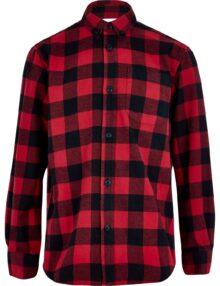
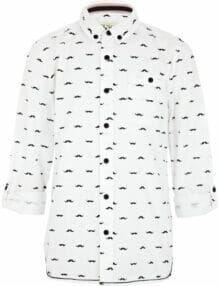
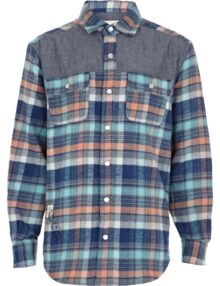
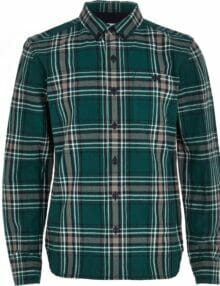
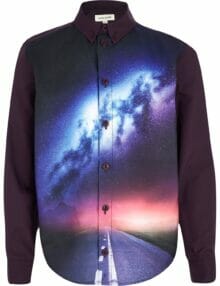
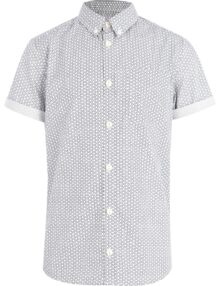
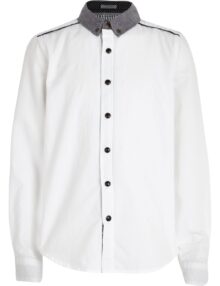
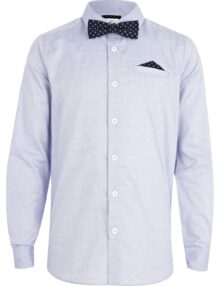
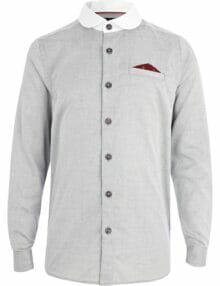
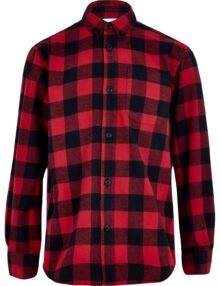
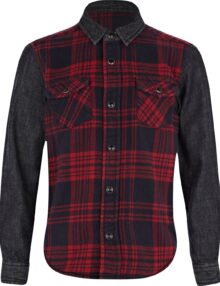
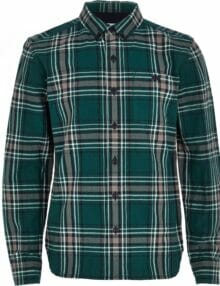
Shirts
Custom Boys’ Shirt Manufacturer for Bulk Orders
Minmax Textile manufactures custom boys’ shirts for fashion brands, schools, retailers, uniform suppliers, wholesalers, importers, and private-label businesses. As a boys’ clothing manufacturer, we help buyers develop shirts according to their required fabric, fit, collar, cuffs, measurements, colors, branding and packaging.
Buyers can use the products displayed within this category as manufacturing references or submit an original tech pack, sketch, physical sample or product image. Share the intended age group, end use, size range, quantity and destination so the requirements can be reviewed before sampling and pricing.
Wholesale Boys’ Shirts for Different Markets
Boys’ shirts may be developed for school uniforms, casual collections, formalwear, parties, special occasions, retail programs and private-label ranges.
Potential styles include:
- School shirts
- Formal shirts
- Casual shirts
- Partywear shirts
- Short-sleeve shirts
- Long-sleeve shirts
- Oxford shirts
- Poplin shirts
- Checked shirts
- Striped shirts
- Printed shirts
- Denim shirts
- Flannel shirts
- Mandarin-collar shirts
- Button-down shirts
- Overshirts
- Toddler shirts
Buyers developing smarter casual collections can review our boys’ smart shirt reference. For occasion-focused collections, this boys’ partywear shirt provides another product direction.
Our custom boys’ shirt can be used as a general reference for private-label development. Buyers sourcing smarter garments can explore our boys’ formal shirts.
School and uniform buyers may review our boys’ school shirts, while fashion retailers can explore this boys’ casual shirt reference.
Displayed products should not be treated as confirmed ready stock unless the current fabric, sizes, colors, quantities and commercial terms have been verified.
Fabric Options for Boys’ Shirts
Fabric selection affects comfort, breathability, durability, opacity, shrinkage, care requirements and price.
Depending on the design and sourcing availability, suitable materials may include:
- Cotton poplin
- Cotton Oxford
- Cotton twill
- Cotton-polyester blends
- Chambray
- Denim
- Flannel
- Seersucker
- Linen blends
- Viscose blends
- Stretch woven fabrics
- Buyer-specified functional materials
Cotton poplin may suit lightweight school, formal and summer shirts. Oxford fabric can provide a more textured and structured appearance for smart-casual clothing.
Cotton-polyester blends may support durability, reduced wrinkling and frequent washing for school or uniform programs. Twill, denim and flannel may suit casual, seasonal and overshirt designs.
Specify the required fiber composition, weave, fabric weight, color, stretch, finish and performance expectations. Avoid requesting only standard cotton or premium fabric, as these descriptions do not provide enough information for accurate development.
Light-colored school and formal shirts should be checked for unwanted transparency.
Collar, Placket and Cuff Construction
The collar, placket, and cuffs define the appearance and quality of a woven shirt.
Collar options may include:
- Classic point collar
- Button-down collar
- Spread collar
- Mandarin collar
- Club collar
- Camp collar
- Contrast collar
Placket options may include:
- Standard front placket
- French placket
- Concealed placket
- Half placket
- Popover construction
Cuff options may include:
- Single-button cuff
- Two-button adjustable cuff
- Rounded cuff
- Square cuff
- Convertible cuff
- Elasticated cuff
Buyers should specify the collar shape, collar stand height, collar point length, placket width, cuff dimensions, button size, and button placement.
Collars and cuffs should sit evenly without twisting or puckering. The placket should remain straight and aligned with the center front.
Interlining requirements should also be confirmed. Different interlining weights can create soft, medium, or firm collars and cuffs.
Fit and Sizing Development
Boys’ shirts may be developed for:
- Toddlers
- Young boys
- School-age boys
- Pre-teens
- Teen boys
A toddler shirt cannot simply be enlarged for an older child. Shoulder width, chest, neckline, sleeve shape, body length, and overall proportions change across age groups.
Fit options may include:
- Regular fit
- Slim fit
- Relaxed fit
- Overshirt fit
- Layering fit
A shirt measurement chart may include:
- Chest width
- Body length
- Shoulder width
- Sleeve length
- Armhole
- Bicep
- Elbow width
- Cuff opening
- Neck circumference
- Collar dimensions
- Bottom opening
- Pocket dimensions
- Artwork placement
Provide the base size, full-size range, grading rules, and permitted measurement tolerances. State whether the chart describes body measurements or finished-garment measurements.
Boys’ School and Uniform Shirts
School shirts should provide comfort, durability and consistent sizing across repeat orders.
Important requirements may include:
- Easy-care fabric
- Controlled shrinkage
- Durable seams
- Reinforced stress points
- Secure buttons
- Consistent colors
- Practical pocket construction
- School-logo embroidery
- Name-label positions
- Defined size ratios
- Multipack packaging
Tell the manufacturer how often the garments are expected to be worn and washed. A shirt worn several times per week may require different fabric and construction than an occasional formal shirt.
Uniform buyers should confirm color standards, logo details, packaging ratios and reorder expectations before production.
Formal, Casual and Partywear Shirts
Formal shirts may require a structured collar, a clean placket, precise pressing, and a controlled fit. Casual shirts may use softer collars, relaxed silhouettes, roll-up sleeves, contrast details or garment washing.
Partywear and fashion shirts may include:
- Original prints
- Contrast panels
- Decorative buttons
- Embroidery
- Piping
- Appliqué
- Patches
- Special collars
- Decorative stitching
Every design detail should be appropriate for the intended age group and destination market. Decorative components should be secure and practical.
Custom Printing, Embroidery and Branding
Customization options may include:
- All-over printed fabric
- Placement printing
- Screen printing
- Digital printing
- Embroidery
- Woven badges
- Appliqué
- Patches
- Contrast stitching
- Custom buttons
- Branded tape
- Custom neck details
Provide editable artwork files, colors, dimensions, and placement instructions. Repeating patterns should include the required scale and matching expectations.
Embroidery requires suitable backing and stitch density. Lightweight fabrics may pucker if the artwork is too heavy.
Printed fabrics should be checked for pattern alignment at the center front, pockets, and other visible joining points when matching is required.
For more product-specific sourcing information, read our boys’ shirt manufacturer guide.
Private-Label Packaging
Private-label boys’ shirts may include:
- Woven brand labels
- Care labels
- Size labels
- Hangtags
- Barcode stickers
- Price stickers
- Collar supports
- Shirt clips or pins where appropriate
- Tissue paper
- Individual polybags
- Retail-ready folding
- Multipack packaging
- Custom carton markings
Confirm the folding method, collar support, labels and packaging before production. Formal and retail shirts may require more structured presentation than casual products.
Buyers should provide destination-specific requirements for fiber content, care instructions, country of origin, languages and other required product information.
Build a Complete Boys’ Clothing Collection
Shirts may be ordered individually or coordinated with other boyswear.
Casual collections can combine woven shirts with products from our boys’ T-shirt manufacturer range. School and smart-casual programs may also include boys’ polo shirts.
For seasonal layering, buyers can coordinate shirts with boys’ sweatshirts and hoodies. School and formal collections may combine shirts with products from our boys’ twill pants category.
Using consistent colors, labels, size systems, and packaging across related products can help create a unified retail or uniform range.
Sampling and Bulk Production Process
1. Product Review
Send the design, intended use, age group, fabric preference, measurements, quantity, and destination.
2. Specification Confirmation
The fit, collar, placket, cuffs, pockets, seams, colors, trims, labels, and packaging are reviewed.
3. Fabric and Trim Selection
Fabric composition, weave, weight, colors, interlining, buttons and decoration requirements are discussed.
4. Sample Development
A sample may be produced to evaluate the fit, fabric, collar, cuffs, construction and overall appearance.
5. Fit and Wash Review
Check the sample for comfort, measurements, shrinkage, twisting, colorfastness, seam condition, and pressing appearance.
6. Buyer Approval
All required corrections should be documented. The relevant sample and specifications should be approved before bulk production.
7. Bulk Manufacturing
Fabric is prepared, cut, decorated, sewn, pressed, and finished in accordance with the approved requirements.
8. Inspection and Packing
Finished shirts are checked, labeled, folded and packed according to the order instructions.
Buyers unfamiliar with apparel production can review the complete clothing manufacturing process.
Quality Control for Boys’ Shirts
Quality checks should cover materials, measurements, artistry, pressing and packaging.
Important inspection points may include:
- Fabric composition and weight
- Fabric shade and opacity
- Garment measurements
- Collar shape and symmetry
- Collar-point alignment
- Placket position
- Cuff alignment
- Sleeve attachment
- Pocket placement
- Button and buttonhole condition
- Pattern matching
- Seam strength
- Stitch consistency
- Embroidery or print placement
- Loose threads
- Stains or pressing marks
- Label accuracy
- Folding and packaging
- Carton quantity and markings
School and uniform orders should be checked for measurement and color consistency across sizes and repeat batches.
Provide the required test methods, inspection level and permitted tolerances before production.
Children’s Safety and Market Requirements
Safety, chemical, labeling and testing requirements vary across destination markets.
Buyers should identify requirements relating to:
- Flammability
- Restricted substances
- Dye and print chemicals
- Button attachment
- Small decorative parts
- Sharp components
- Neck measurements
- Fiber-content labeling
- Country-of-origin labeling
- Care instructions
- Traceability
- Testing documentation
Buttons, badges, and decorative attachments should be suitable for the intended age group and secured in accordance with the buyer’s standards.
Applicable requirements should be discussed during development rather than immediately before shipment.
What Determines MOQ and Price?
MOQ and unit price depend on the complete shirt specification.
Important factors include:
- Fabric composition and weave
- Fabric weight
- Custom colors or prints
- Collar and cuff construction
- Interlining
- Number of pockets
- Size range
- Quantity per style and color
- Buttons and trims
- Embroidery or printing
- Pattern-matching requirements
- Labels and hangtags
- Packaging
- Testing and inspection
- Delivery terms
A basic single-color school shirt and a printed partywear shirt with custom trims and retail packaging require different materials and production processes.
Submit the required quantity for each design, color, and size. The exact MOQ, sample charges, pricing, and production timing should be confirmed after reviewing the complete specifications.
Planning an International Bulk Order
International buyers should provide:
- Destination country
- Target completion or delivery date
- Size assortment
- Quantity by style and color
- Packaging format
- Labeling requirements
- Testing requirements
- Commercial-document needs
- Preferred shipping arrangement
Allow enough time for specification review, material sourcing, sampling, revisions, approval, production, inspection, packing and transportation.
Buyers should confirm applicable import duties, customs procedures and destination compliance. Commercial and delivery responsibilities should be clearly recorded in the agreed-upon order documents.
Before beginning a sourcing discussion, buyers can review the Minmax Textile company profile for additional business information.
What to Include in Your Quotation Request
Send the following information:
- Tech pack, sketch, or reference sample
- Shirt style
- Intended use
- Target age group
- Size chart
- Fabric composition and weave
- Required colors or prints
- Fit requirements
- Collar, placket, and cuff details
- Pocket and button requirements
- Artwork files
- Labels and hangtags
- Packaging instructions
- Quantity per style and color
- Delivery destination
- Target date
- Testing requirements
If a complete tech pack is unavailable, begin with clear product images, measurements, and a written list of the required changes.
Frequently Asked Questions
Can Minmax Textile manufacture custom boys’ shirts?
Buyers can submit original designs, tech packs, sketches, artwork or reference samples. The fabric, fit, collar, construction, sizing and quantity will be reviewed before development.
Which types of boys’ shirts can be manufactured?
Potential styles include school, formal, casual, partywear, Oxford, poplin, checked, striped, printed, denim and short- or long-sleeve shirts.
Can you manufacture boys’ school shirts?
School-shirt requirements can be submitted for review. Include the required fabric, colors, size range, logo, labels, quantity, packaging and reorder expectations.
Can I add custom prints and embroidery?
Printing, embroidery, woven badges, custom buttons and other decoration may be included. Provide usable artwork, colors, dimensions and placement instructions.
What is the MOQ for custom boys’ shirts?
MOQ depends on the fabric, colors, prints, sizes, construction, trims, and packaging. Send the quantity required for each style and color for order-specific guidance.
Can I approve samples before bulk production?
Sampling can be discussed after reviewing the specifications. Buyers should approve the fabric, fit, collar, cuffs, colors, decoration, and construction before bulk production.
How long does production take?
Timing depends on material availability, sample approval, order volume, construction, custom prints, testing and packaging. An estimated schedule can be provided after reviewing the complete inquiry.
Can Minmax Textile supply international buyers?
International bulk orders can be reviewed based on the design, quantity, and destination. Buyers should provide their market-specific sizing, labeling, testing and documentation requirements.
Request a Bulk Boys’ Shirt Quote
Send Minmax Textile your shirt design, fabric, size chart, collar and cuff details, branding, packaging, quantity, and delivery destination. You can request a bulk quotation via our contact page to begin sampling and manufacturing discussions.